
Marine Life Guide
Part 1: The Most Common Sharks You Can See While Scuba Diving
Sharks are one of the biggest reasons divers choose liveaboard diving. This first part explains the shark species divers are most likely to see underwater, from reef sharks and nurse sharks to tiger sharks, hammerheads, oceanic whitetips and whale sharks.
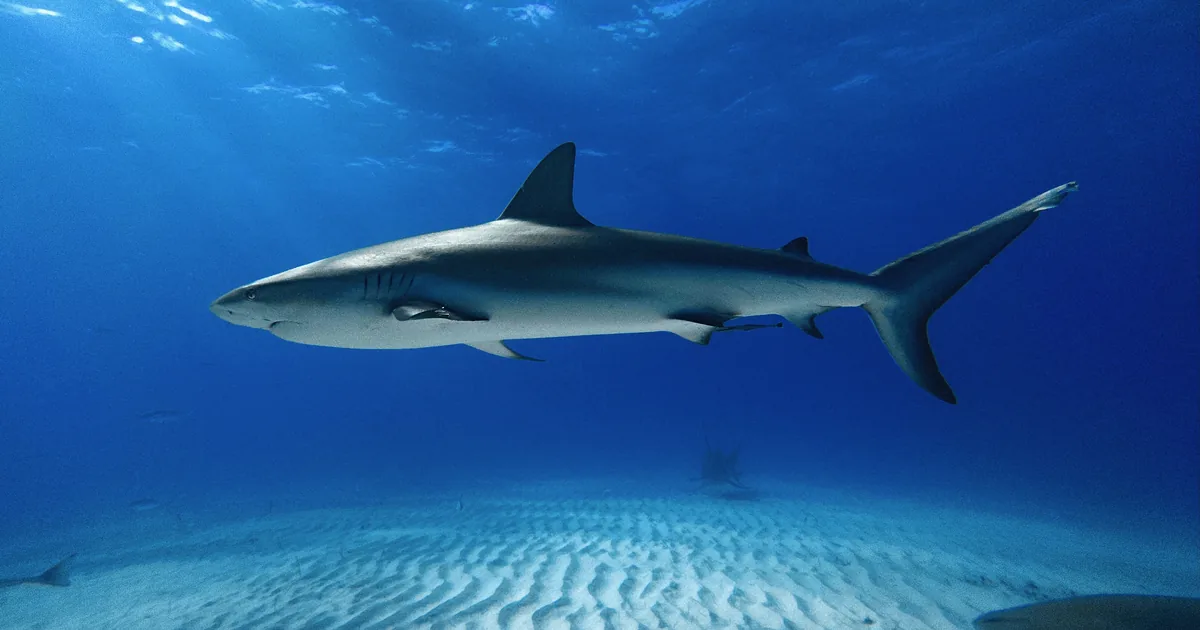
Some sharks are common on coral reefs and can be seen by Open Water divers. Others live around remote offshore pinnacles, deep channels, blue-water drop-offs or strong-current dive sites that require more experience. Sightings are never guaranteed, but knowing the species helps divers choose the right shark liveaboard diving itinerary.
This is Part 1 of the DiveScanner shark guide. Part 2 covers the best liveaboard diving destinations for sharks, including sharks Red Sea routes, sharks Maldives itineraries, Bahamas tiger shark diving, Galapagos, Socorro, Raja Ampat and Australia.
Common Shark Species Seen While Diving
Whitetip Reef Shark
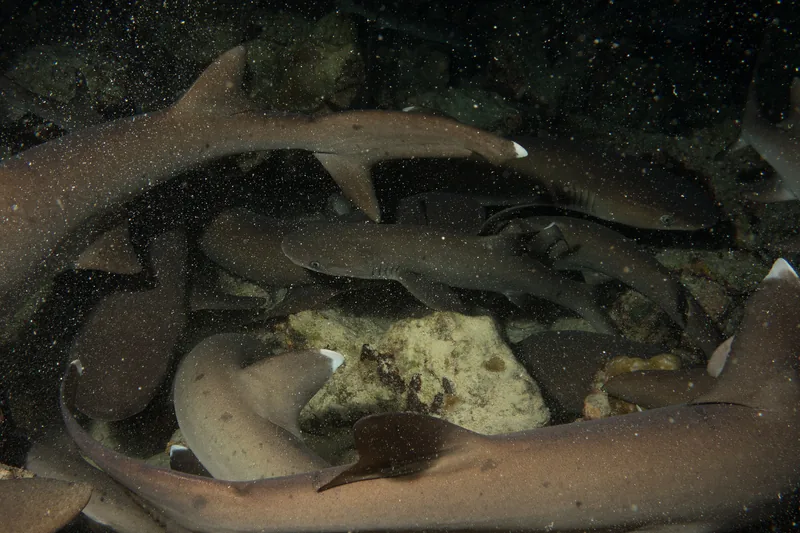
Whitetip reef sharks are one of the easiest sharks to recognize underwater. They are usually slender, calm and easy to identify because of the white tips on their dorsal and tail fins. Unlike many open-water sharks, whitetip reef sharks often rest under ledges, inside caves or on sandy patches during the day.
They are commonly seen in destinations such as the Red Sea, Maldives, Raja Ampat, Thailand, Australia, Galapagos, Socorro and Palau. At calm reef sites, they may be suitable for Open Water divers. On current-heavy liveaboard diving routes, Advanced Open Water is safer.
Blacktip Reef Shark
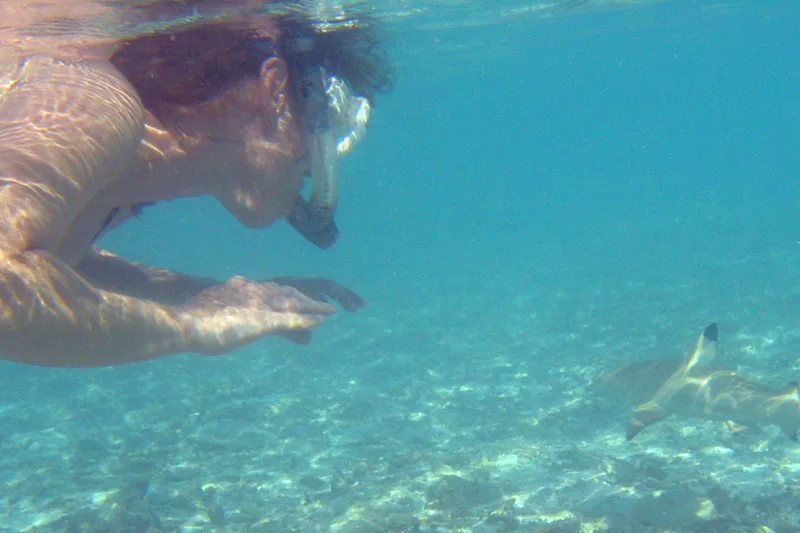
Blacktip reef sharks are fast, elegant and usually seen cruising over shallow reef flats, lagoon edges, coral gardens and reef slopes. They are common in warm tropical waters and are often seen by snorkelers as well as scuba divers.
They are especially relevant for sharks Maldives searches because blacktip reef sharks are often seen around Maldivian lagoons and reef edges. They also occur in Raja Ampat, Thailand, Australia, Palau and other Indo-Pacific destinations.
Grey Reef Shark
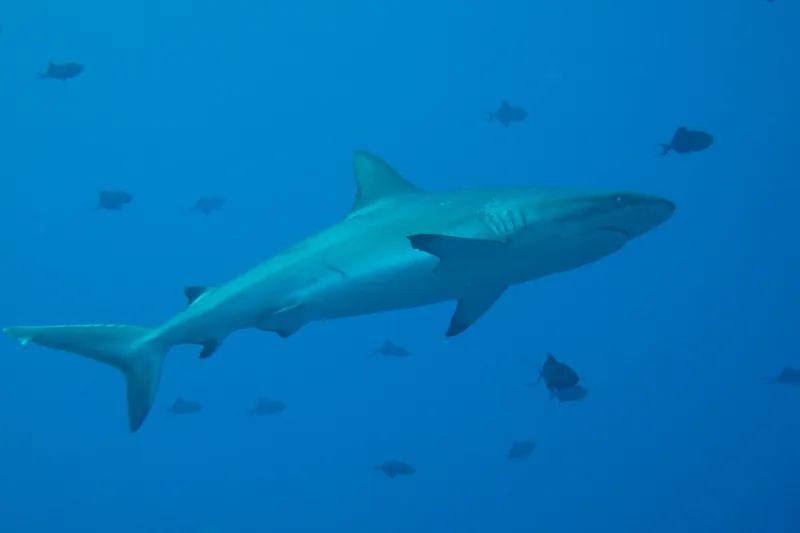
Grey reef sharks are one of the most exciting shark species for liveaboard diving because they prefer reef edges, passes, channels and current-rich sites. They are often seen patrolling drop-offs or gathering where moving water brings food.
They are common in the Maldives, Red Sea offshore reefs, Galapagos, Socorro, Australia’s Coral Sea, Raja Ampat and Palau. Because the best grey reef shark sites often involve current, drift diving or blue-water ascents, Advanced Open Water and current experience are recommended.
Nurse Shark and Tawny Nurse Shark
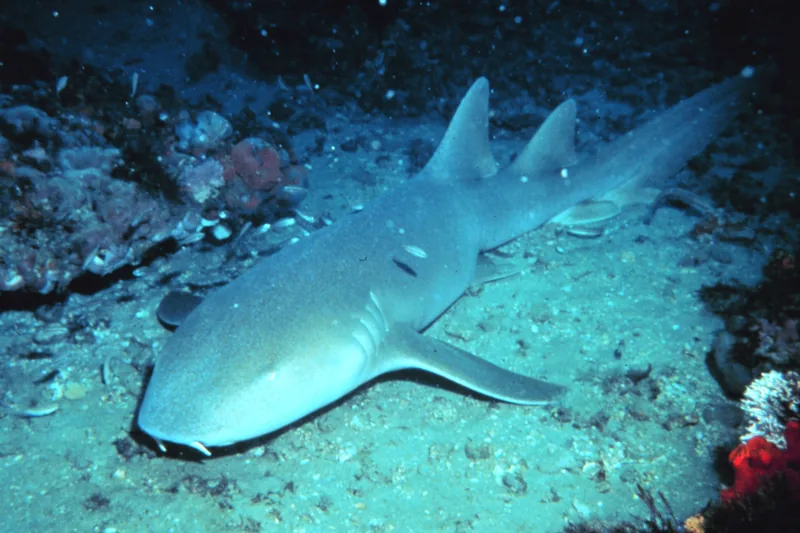
Nurse sharks are bottom-dwelling sharks with a very different look and behaviour from reef sharks. They often rest on sand, under coral heads or near structures. In the Atlantic and Caribbean, divers commonly refer to nurse sharks. In the Indo-Pacific, many encounters are with tawny nurse sharks.
Divers may see them in the Bahamas, Maldives, Caribbean, Australia, Indonesia and Indian Ocean reefs. Many calm nurse shark sites are suitable for Open Water divers, but the route still matters.
Tiger Shark
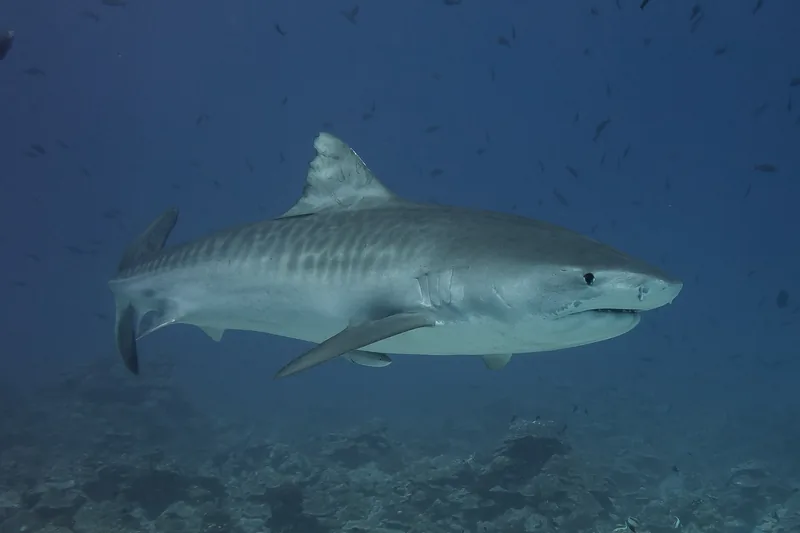
Tiger sharks are large, powerful and instantly recognizable when the stripes are visible. Tiger shark diving is not beginner diving. Even when the site is shallow, the experience requires calm behaviour, strong situational awareness and strict guide control.
The strongest scuba diving search clusters are tiger shark diving Bahamas, Tiger Beach liveaboard, tiger sharks Maldives and Maldives Deep South sharks. These should be matched with Advanced Open Water divers or very confident Open Water divers only when the operator accepts them and conditions are controlled.
Hammerhead Shark
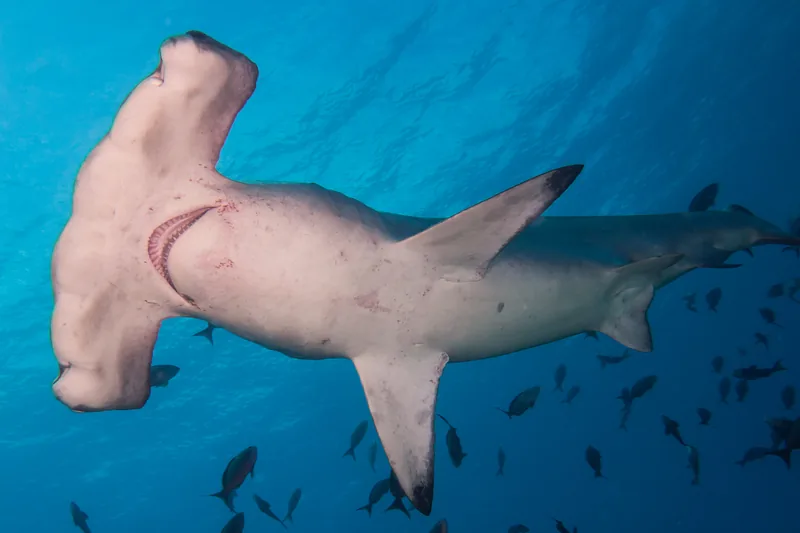
Hammerheads are among the most iconic sharks in the ocean. Divers usually hope to see scalloped hammerheads, often schooling in blue water or around remote offshore sites.
Important hammerhead liveaboard destinations include Galapagos, especially Darwin and Wolf, Red Sea routes around Daedalus, Brothers and Elphinstone, Maldives Deep South, Bimini in the Bahamas and Socorro in Mexico. These are not beginner routes.
Oceanic Whitetip Shark
Oceanic whitetip sharks are true open-ocean sharks. They are bold, curious and very different from reef sharks. Divers may see oceanic whitetips around remote offshore reefs and deep blue-water sites.
The most relevant liveaboard diving keywords are oceanic whitetip Red Sea, Brothers Daedalus Elphinstone sharks and Cat Island Bahamas. These routes require Advanced Open Water, strong blue-water comfort and excellent group discipline.
Silvertip Shark
Silvertip sharks are elegant, powerful reef and pelagic sharks often seen around remote drop-offs, pinnacles and current-rich sites. They are less common than whitetip or blacktip reef sharks, but they are a major highlight on advanced shark liveaboards.
Silvertips are relevant for Maldives Deep South, Socorro, Galapagos and other remote drop-off destinations. These are not beginner shark encounters. They usually require Advanced Open Water, excellent group discipline and comfort in blue water.
Whale Shark
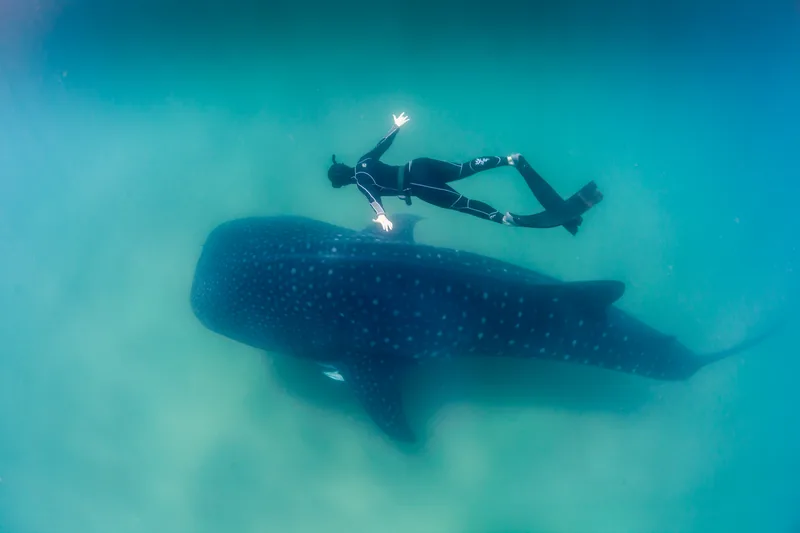
The whale shark is the largest fish in the ocean and one of the most searched-for animals in diving. It is a shark, but it is a filter feeder, not a predator of divers.
Important whale shark destinations include South Ari in the Maldives, Socorro seasonally, Galapagos seasonally, Mexico, Ningaloo and Exmouth in Australia, Thailand occasionally and the Philippines. A guest searching for whale shark liveaboard may be looking for snorkeling, diving or both.
Wobbegong Shark
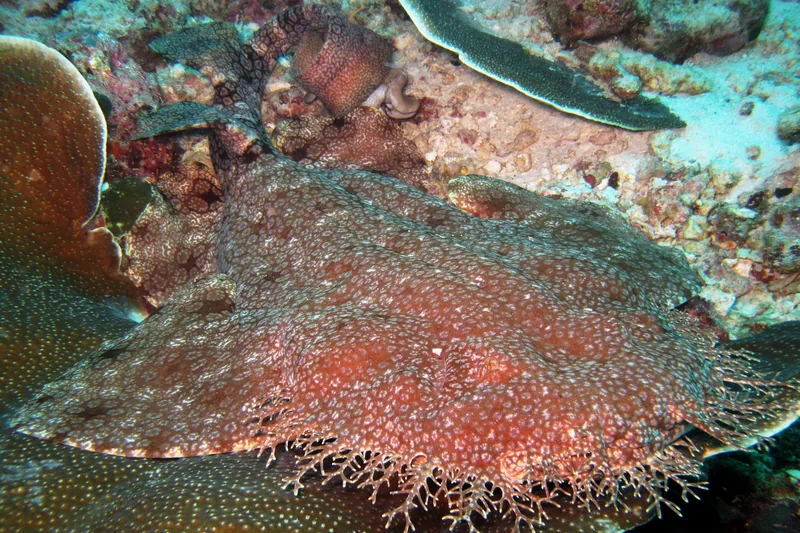
Wobbegongs are carpet sharks, famous for their flat bodies, camouflage and beard-like tassels around the mouth. They are not the classic shark silhouette, but they are one of the most interesting sharks divers can see.
They are especially relevant for Raja Ampat, Australia and Indonesia shark searches.
Continue to Part 2
Next: Part 2 - Best Liveaboard Diving Destinations for Sharks.