
Marine Life Guide
Part 2: Best Shark Liveaboard Destinations by Diver Level
9 July 2026
Part 1 explained the most common sharks divers may see underwater. This second part is different: it compares the liveaboard destinations where shark encounters are most likely, and which routes fit beginner, Open Water, Advanced and strong-current divers.
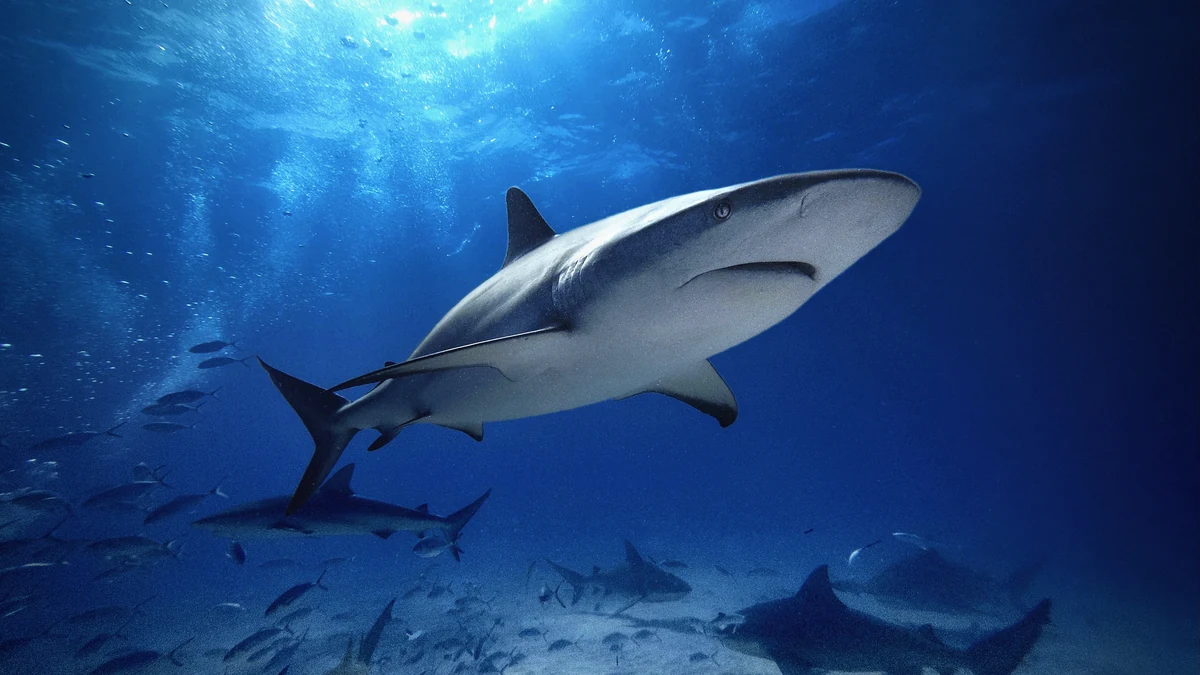
For DiveScanner, shark trips should not be matched only by species. A guest searching for sharks Red Sea, sharks Maldives, Bahamas tiger sharks or Galapagos hammerheads needs a route that fits their real diving level. Some shark sites are shallow but behaviour-sensitive. Others are deep, current-heavy, remote or blue-water focused.
This guide keeps the focus on destinations and itinerary difficulty. It does not repeat the species guide from Part 1.
Quick shark destination match
| Destination | Best shark focus | Best diver match | DiveScanner warning |
|---|---|---|---|
| Bahamas | Reef sharks, nurse sharks, tiger sharks, great hammerheads, oceanic whitetips | OW 10+ for easier reefs; AOW for Tiger Beach, Bimini and Cat Island | Shallow does not always mean beginner. Shark behaviour briefings matter. |
| Maldives | Reef sharks, nurse sharks, whale sharks, tiger sharks and Deep South shark routes | OW 10+ for easier Central Atolls; AOW and 50+ dives for Deep South | Current is the main challenge, especially in channels. |
| Red Sea | Offshore reef sharks, oceanic whitetips and hammerhead routes | AOW; 50+ dives recommended for Brothers, Daedalus and Elphinstone | Do not show offshore shark routes to beginners. |
| Galapagos | Advanced big-animal shark liveaboard diving | AOW minimum; 50-100 dives and current experience recommended | Cold water, surge, current and blue-water ascents. |
| Socorro, Mexico | Oceanic mantas plus sharks around volcanic islands | AOW; 50+ dives recommended | Remote, oceanic and not a beginner manta trip. |
| Raja Ampat | Reef sharks, wobbegongs and biodiversity routes | OW 10+ only for selected central routes; AOW recommended | It is current-driven, not a pure shark destination. |
| Australia | Great Barrier Reef, Coral Sea, Osprey Reef and Ningaloo-style shark/whale shark routes | Beginner to AOW depending region | Outer GBR and Coral Sea should not be treated the same. |
Sharks Red Sea: best routes for offshore shark diving
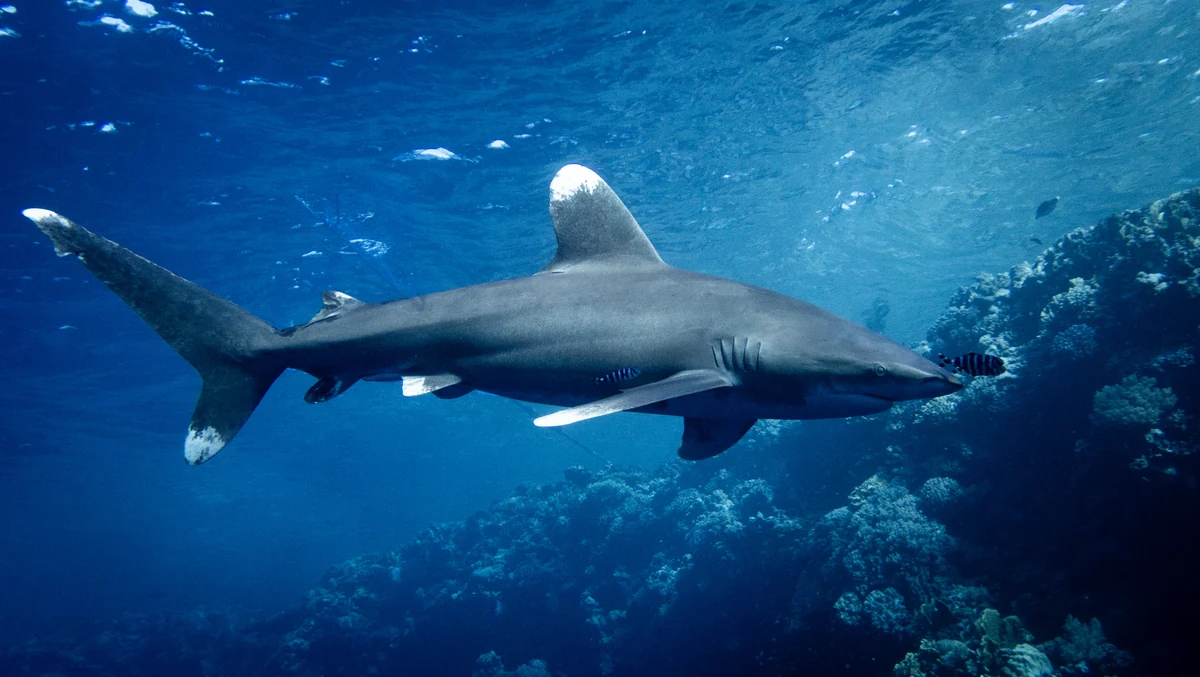
The Red Sea is one of the strongest shark liveaboard destinations for experienced divers. The best shark-focused routes are not usually the easy northern reef routes. They are the offshore itineraries around Brothers, Daedalus and Elphinstone, plus longer Best of Red Sea or southern shark routes.
These trips can include wall dives, blue-water ascents, zodiac entries, current and repeated deep profiles. They are better matched with Advanced Open Water divers who have recent dives, controlled buoyancy, DSMB confidence and comfort around current.
DiveScanner rule: show Red Sea offshore shark itineraries to AOW divers, preferably with 50+ logged dives. Nitrox and Deep Diver should be recommended. Do not show these routes to beginner users.
Sharks Maldives: Central Atolls vs Deep South
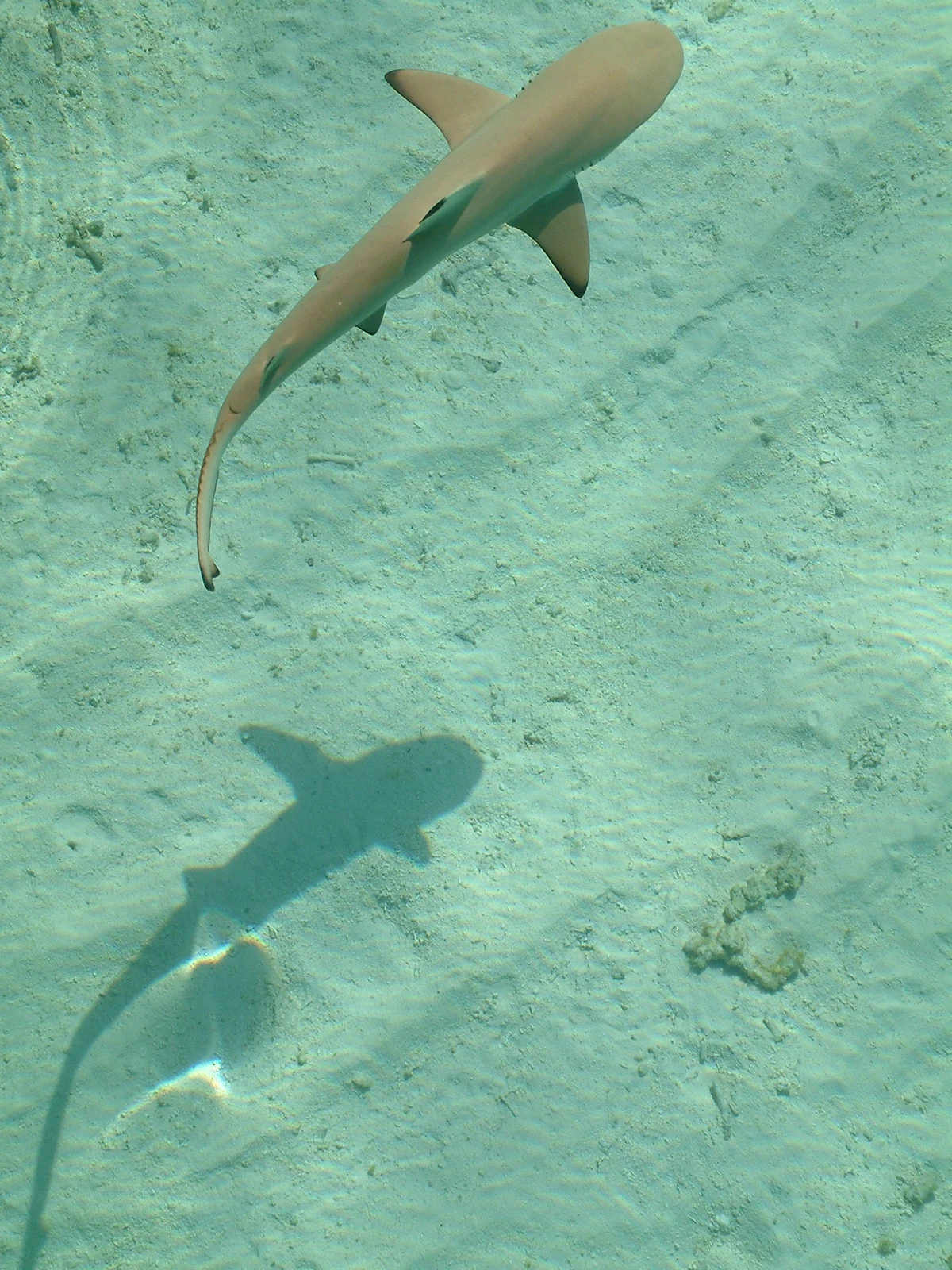
The Maldives are excellent for shark liveaboard diving because many itineraries move through channels, atolls and cleaning-station areas where water movement brings life. But not every Maldives route has the same difficulty.
Central Atolls can be suitable for confident Open Water divers with at least 10 logged dives, especially when conditions are moderate. Deep South, Huvadhu, Addu, Laamu and tiger-shark-focused routes are more advanced and should be matched with divers who can manage current, reef-hook procedures where used, blue-water ascents and group discipline. If you are not sure where you sit, read our guide to which liveaboard routes need Advanced Open Water and how many logged dives.
Some local Maldives sites, including Malé-area shark dives sometimes referred to as Shark Tank or Hulhumalé Shark Point, should not be treated as a generic beginner attraction. If mentioned, they need clear operator guidance and a strict shark-diving briefing.
DiveScanner rule: Central Maldives can be OW 10+ with caution. Deep South and tiger-shark routes should be AOW, with 50+ dives recommended and Nitrox strongly recommended.
Bahamas shark diving: Tiger Beach, Bimini and Cat Island
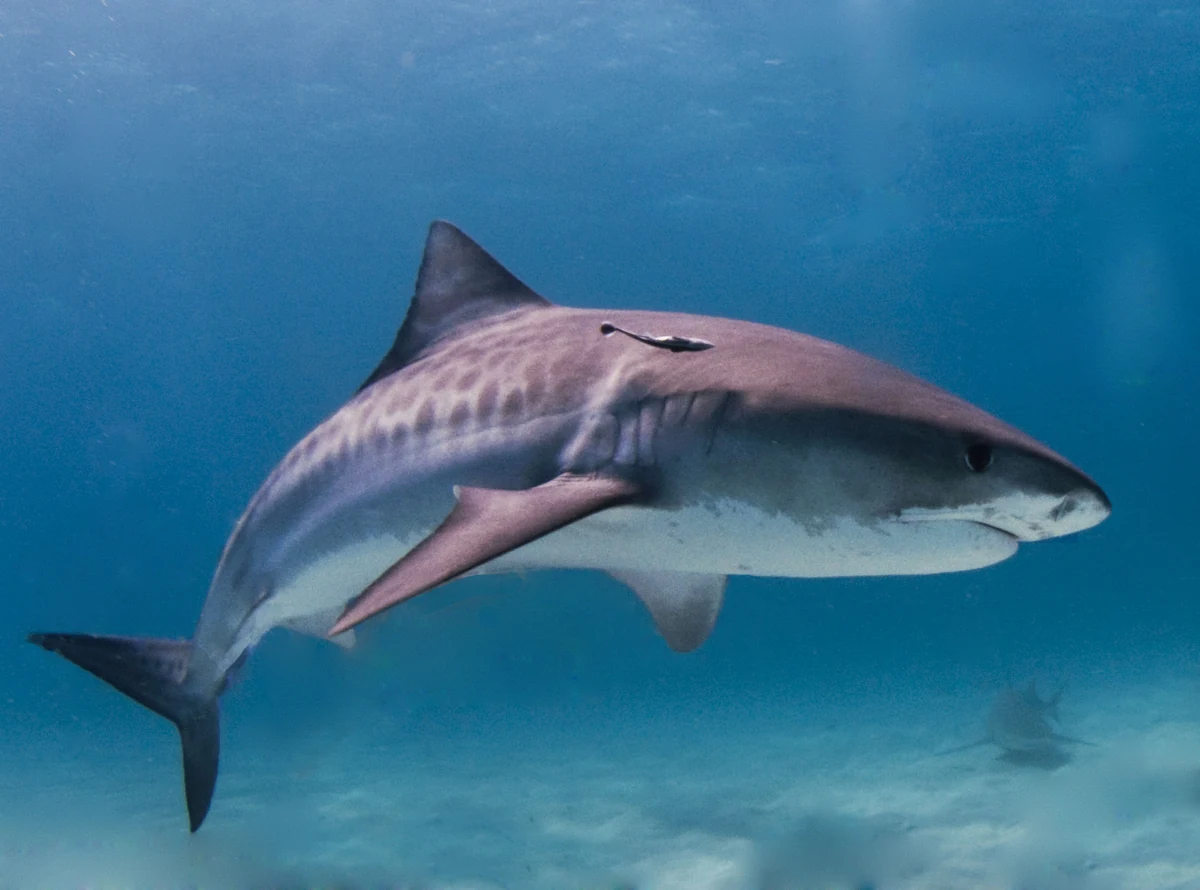
The Bahamas are one of the most reliable shark diving regions in the world. Easier reef shark routes can suit Open Water divers, while Tiger Beach, Bimini and Cat Island should be treated as more serious shark experiences even when the dive profile is not technically deep.
The main difference is behavioural control. Divers need calm breathing, stable buoyancy, strong awareness of the guide and strict respect for local shark-diving rules. A shallow shark dive can still be inappropriate for a nervous or careless diver.
DiveScanner rule: Bahamas reef shark routes can be OW 10+. Tiger Beach, Bimini and Cat Island should be AOW recommended, with a shark-safety note shown before booking.
Galapagos and Socorro: advanced oceanic shark liveaboards
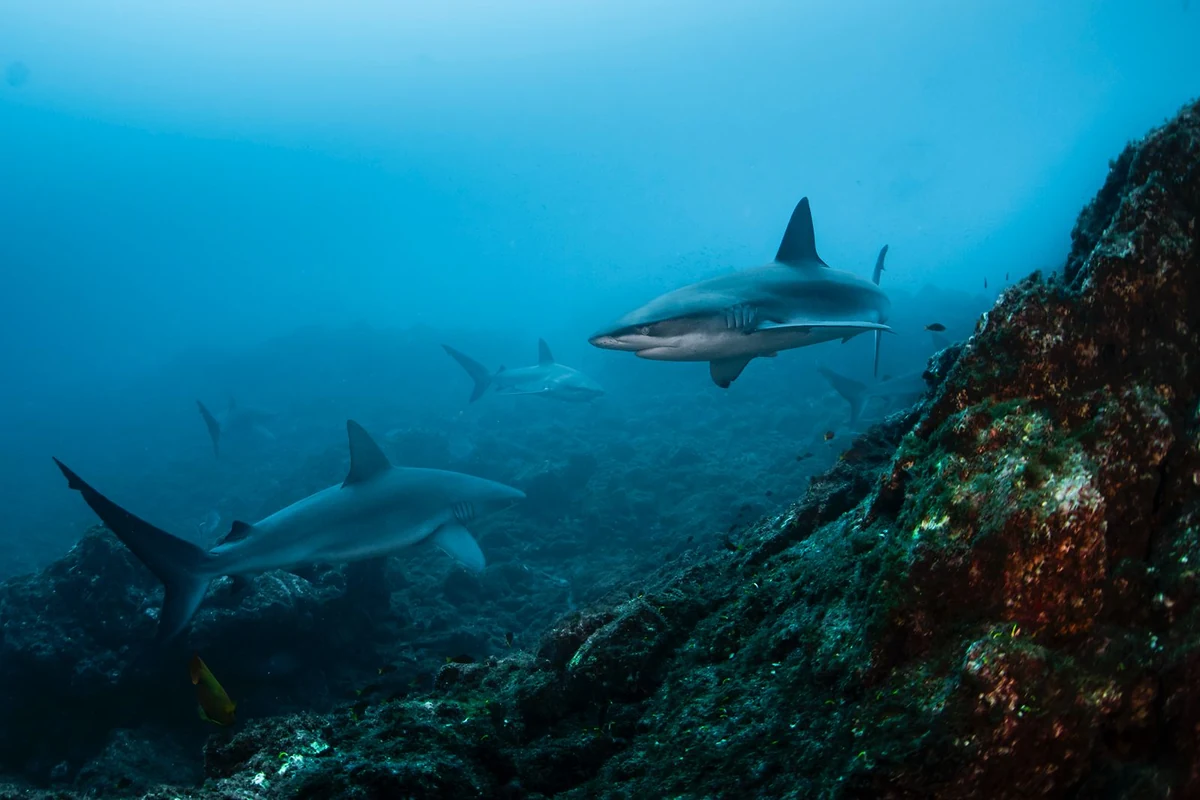
Galapagos and Socorro should not be grouped with easy tropical reef shark diving. Both are advanced, remote and oceanic. Galapagos liveaboards focus on routes such as Darwin and Wolf, while Socorro and the Revillagigedo Islands combine giant mantas with shark encounters around volcanic islands.
These destinations are best for Advanced Open Water divers with 50 or more dives, strong buoyancy, recent experience, comfort with blue water and the ability to stay disciplined in current. Nitrox is highly useful because the diving is repetitive and often deep enough to make no-decompression time important.
Do not sell these as beginner big-animal trips. The animals may be the attraction, but the conditions are what decide whether a diver belongs on the itinerary.
Raja Ampat and Australia: sharks as part of a wider route
Raja Ampat is not usually a pure shark liveaboard destination. It is a biodiversity and current-diving destination where reef sharks, wobbegongs and unusual shark species can be part of the wider itinerary. Central Raja Ampat can sometimes work for confident OW 10+ divers, but Misool, Triton Bay and crossing routes should be filtered as Advanced routes.
Australia also needs route-specific logic. Outer Great Barrier Reef trips may be suitable for newer divers, while Coral Sea, Osprey Reef, Rowley Shoals, Ningaloo-style ocean encounters and remote expedition routes are better for more experienced divers.
DiveScanner rule: do not tag Raja Ampat or Australia as one uniform shark difficulty. Match by itinerary, not only by country.
How DiveScanner should match shark searches
| User search | Show first | Hide or warn |
|---|---|---|
| Beginner shark diving | Bahamas easy reef routes, selected Great Barrier Reef routes | Galapagos, Socorro, Maldives Deep South, Red Sea offshore shark routes |
| Sharks Red Sea | Brothers, Daedalus, Elphinstone, Red Sea Sharks, Best of Red Sea | Show AOW/50+ dive warning |
| Sharks Maldives | Central Atolls for intermediate divers; Deep South for advanced divers | Do not show Deep South as beginner-friendly |
| Tiger shark diving | Bahamas Tiger Beach, Maldives/Fuvahmulah-style routes where applicable | Add shark-safety and diver-control warning |
| Hammerhead liveaboard | Galapagos, Red Sea offshore, Bimini, Socorro, Cocos/Malpelo where available | Do not show beginner routes |
Final advice
The right shark liveaboard is not the one with the most dramatic animal list. It is the one where the diver can stay calm, neutral, close to the guide and aware of the environment. Reef sharks and nurse sharks may fit newer divers. Tiger sharks, oceanic whitetips, Galapagos routes, Socorro and offshore Red Sea shark itineraries need stronger experience.
Read Part 1 - Common Sharks You Can See While Scuba Diving.
Compare liveaboard diving trips on DiveScanner and choose an itinerary that matches your certification, logged dives and shark encounter goals.
Frequently asked questions
What is the best liveaboard for shark diving?
The best shark liveaboard is not only the one with famous species, it is the one that matches your certification, logged dives and current experience. Some shark sites are shallow but behaviour-sensitive, others are deep, current-heavy or remote.
Where are the best shark diving destinations?
This guide covers the Red Sea offshore reefs, the Maldives (Central Atolls and Deep South), the Bahamas (Tiger Beach, Bimini and Cat Island), Galapagos and Socorro, plus Raja Ampat and Australia.
Which shark destinations suit beginners?
Some destinations offer shallower, calmer shark encounters, while Galapagos and Socorro are advanced oceanic routes with current and blue water. DiveScanner matches shark searches to routes that fit your real diving level.
What is the difference between Part 1 and Part 2?
Part 1 is the species guide, which sharks you may see. Part 2 focuses on destinations and itinerary difficulty, matching routes to your level.