
Safety Guide
Is liveaboard diving safe?
A liveaboard takes you far from shore for days of diving, so it is a fair question. The short answer is yes, liveaboard diving is safe when you choose a reputable operator and dive within your training. Here is what makes it safe, the real risks and how to manage them, and how to pick the right trip.
Quick answer
Yes. Liveaboard diving is safe when you choose a reputable operator and dive within your certification and limits. The great majority of trips run without incident. The keys are a good boat and crew, routes matched to your experience, and being prepared with insurance and sensible diving.
What makes a liveaboard safe
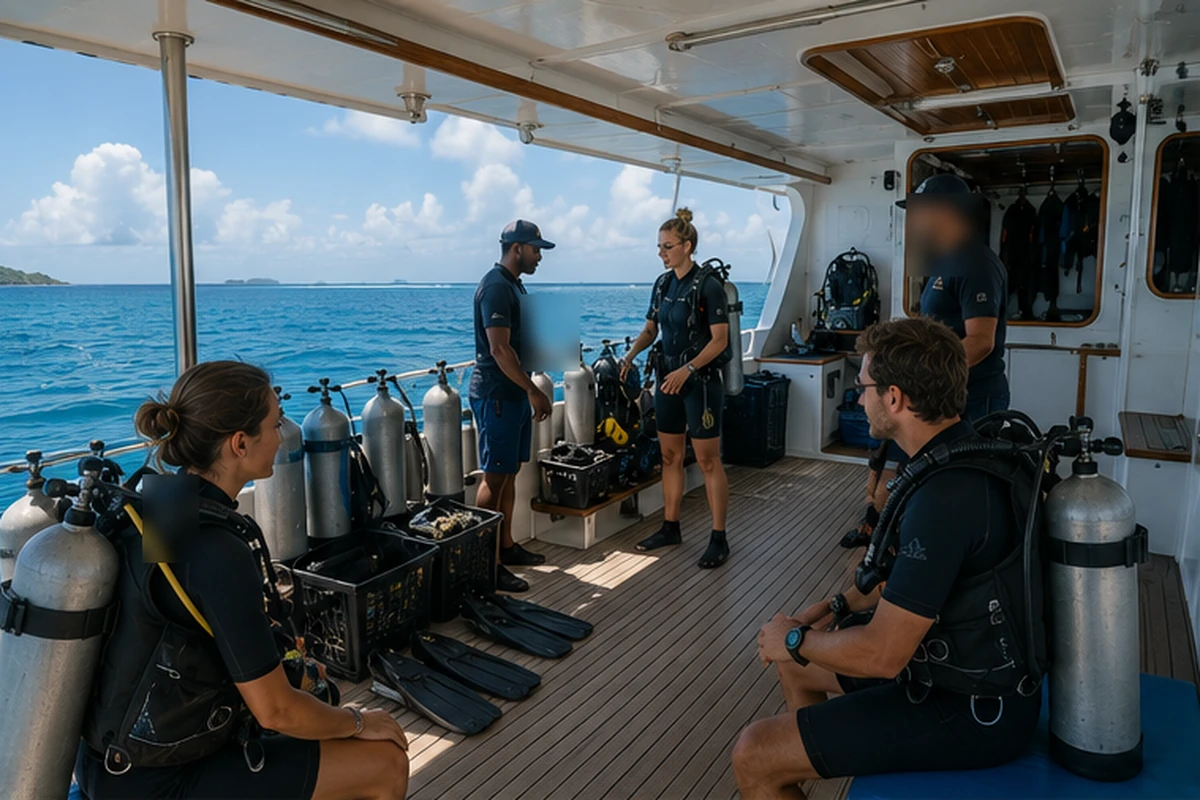
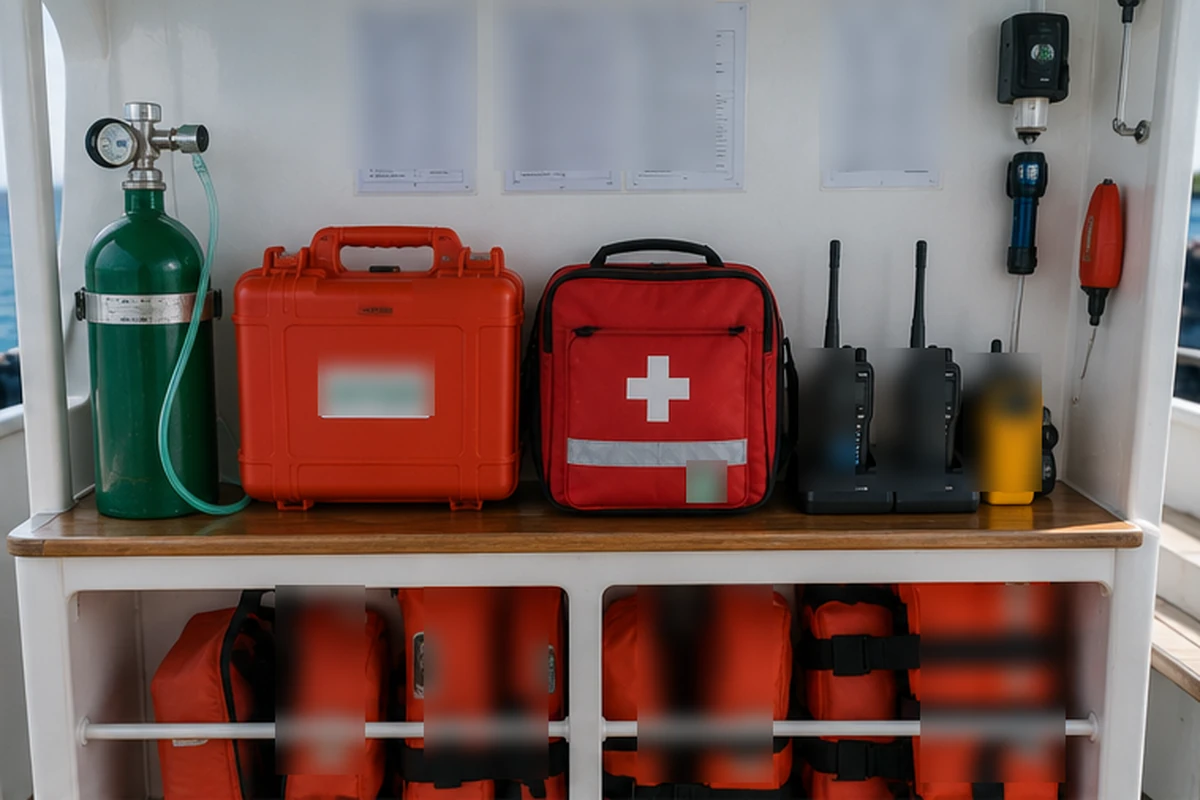
A safe liveaboard has trained crew and dive guides, proper boat safety equipment and drills, clear dive briefings, oxygen and a first aid kit on board, and firm rules on depth, time and buddy checks. Good operators match the route to your certification and logged dives, so you are never put on a dive beyond your level.
The real risks, and how to manage them
- Diving beyond your level, or in strong current. Manage it by choosing routes for your experience and following the guide's plan.
- Remote locations, far from a decompression chamber. Manage it by diving conservatively and carrying dive insurance.
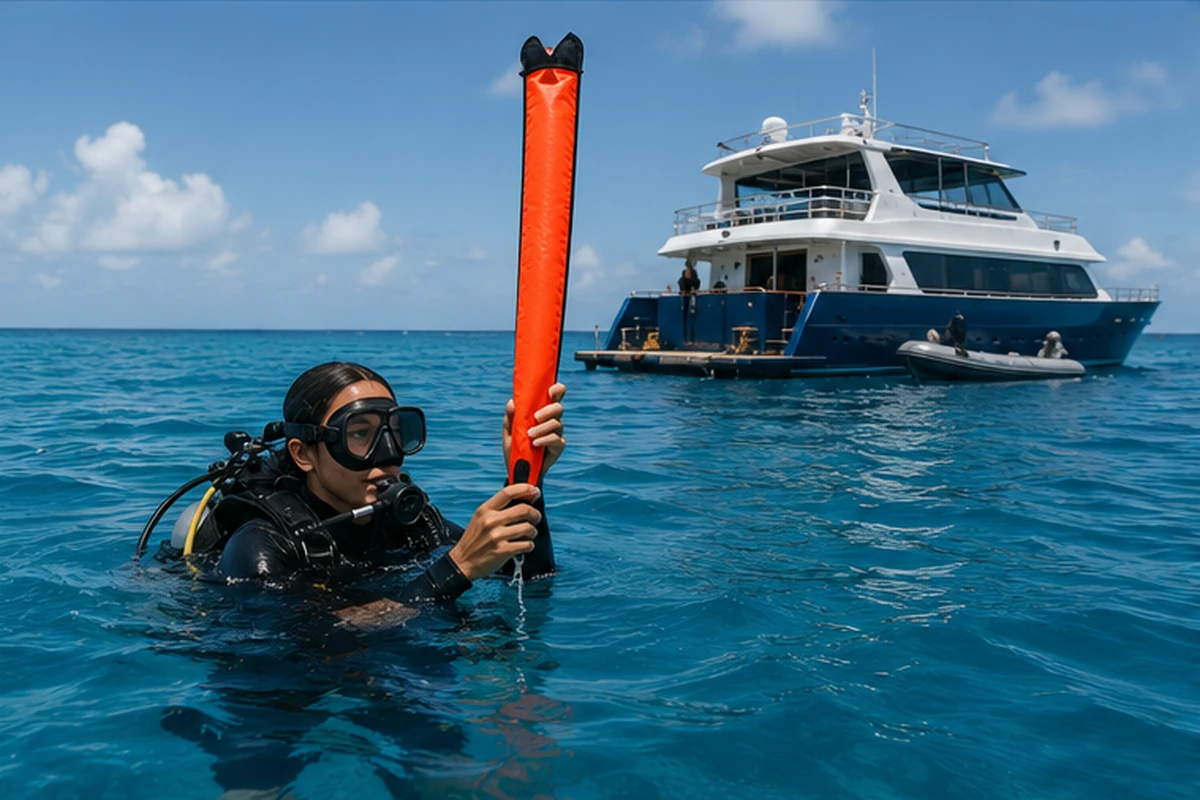
- Losing the group or the boat in open water. Manage it with a surface marker buoy, a buddy, and the briefed plan.
- Tiredness from many dives a day. Manage it by resting, hydrating, and skipping a dive when you need to.
How to choose a safe operator
Look for a boat with proper safety gear and oxygen, experienced crew, sensible group sizes, routes matched to dive levels, and real reviews. On DiveScanner you can filter by certification and logged dives, so you only see trips suitable for your experience, and you are never sold a route beyond your level.
Your own safety comes first
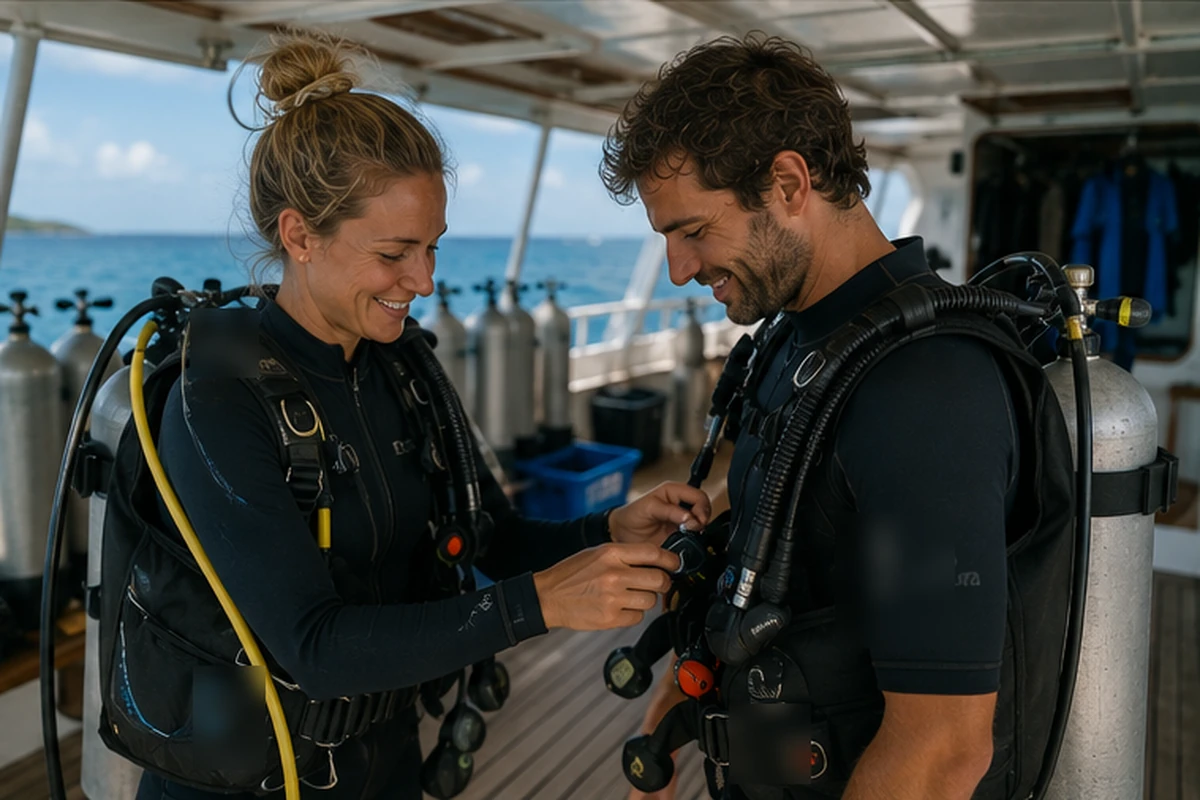
Dive within your training and your limits. Carry dive insurance because trips are often far from a chamber. Do your buddy checks. Rest and hydrate between dives. Do not push depth or bottom time to chase an animal. A calm, prepared diver is a safe diver.
Dive with a buddy you trust
Diving with a known, certified buddy is safer than being paired with a stranger on the boat. Dive Buddy on DiveScanner matches you with verified certified divers on the same trip, so you meet your buddy before you go. See Dive Buddy.
Find a trip that matches your level
Set your certification and logged dives, and DiveScanner shows only the liveaboards and routes suitable for your experience, cheapest first. Safe by design, before you book.
Compare liveaboards for your levelLiveaboard safety FAQ
Is liveaboard diving safe for beginners? Yes, on calmer routes suited to Open Water divers. Filter by your certification and logged dives so you only see suitable trips.
What safety equipment should a liveaboard have? Oxygen, a first aid kit, a tender boat, radios, life jackets, and trained crew who run briefings and drills.
Do I need dive insurance for a liveaboard? Yes, it is strongly recommended because liveaboard trips are often far from a decompression chamber.
How do I know a liveaboard operator is safe? Look for experienced crew, proper safety gear and oxygen, sensible group sizes, routes matched to dive levels, and real reviews.