
When Is the Best Time to Dive Raja Ampat?
The best time to dive Raja Ampat is October to April, best November to March, when seas are calm and mantas gather in the Dampier Strait. June to September brings monsoon winds and rougher seas, so many liveaboards move to other Indonesian regions.
Raja Ampat is not a place where the season is just a weather detail. The season decides which routes are comfortable, which areas are reachable, how rough the crossings may feel, and what kind of diving your body needs to handle day after day.
If you are choosing Raja Ampat liveaboard diving, do not only ask: “When is the best time?” Ask: “Which part of Raja Ampat, what kind of current, what kind of visibility, and does this route fit my level?”
Quick answer
For most divers, October to April is the best Raja Ampat liveaboard diving season. October to May is also commonly used for prime-season planning. This is when seas are usually calmer, liveaboards can cover more of the region, and manta-focused sites are stronger. June to September can bring stronger winds and rougher seas, especially for southern routes such as Misool.
Season at a glance
| Period | What it usually means | Best for | Watch out for |
|---|---|---|---|
| October to November | The liveaboard season opens properly. Seas usually begin settling after the rougher months. | Divers who want strong marine life with less peak-season pressure. | Early season can still feel changeable. Check the exact itinerary. |
| December to February | Prime Raja Ampat season. More boats, popular departures, generally calmer liveaboard conditions. | Misool, Dampier Strait, manta sites, full-region liveaboards. | Popular boats book early. Prices and demand can rise. |
| March to April | Still a strong season window. Good for divers who want the main areas before the season turns. | Late-season mantas, reefs, macro, full liveaboard routes. | Do not leave flights and Sorong logistics too loose. |
| May | Shoulder month. Some guides still count it as part of the prime diving season. | Value, fewer crowds, divers who can accept more variable weather. | Conditions can begin shifting. Southern access may depend on operator and weather. |
| June to September | Monsoon influence brings stronger winds and rougher seas. Many liveaboards move elsewhere. | Selected resort diving or limited northern/central plans. | Not the best period for a classic full Raja Ampat liveaboard route. |
Why the Raja Ampat season matters
Raja Ampat is remote. That is part of why it is special, and also why you need to choose the season with respect. It is also a current-driven destination, so before you book it is worth checking which liveaboard routes need Advanced Open Water and how many logged dives.
This is not a simple resort destination where a bad weather day only means sitting by the pool. A Raja Ampat liveaboard moves between islands, reefs, channels and sometimes exposed areas. When wind and sea state change, the plan can change. When current is strong, the dive can change. When visibility drops, the way you read the reef changes.
The reward is huge. Raja Ampat sits in the Coral Triangle and is widely described as one of the richest marine ecosystems on Earth. PADI Travel describes it as having the highest marine biodiversity in the world, and AP recently reported Raja Ampat has about 75% of the world’s hard coral species and more than 1,700 fish species.
That is why I do not like selling Raja Ampat as only “pretty reefs.” It is not just pretty. It is alive in layers. Fish above fish. Coral below coral. Current moving through everything.
Best months for Raja Ampat liveaboard diving
If I had to choose the safest planning window for a first Raja Ampat liveaboard, I would look at November to April. October can be excellent, but I would still check how early in the season the boat is operating. May can also work, but it is already more of a shoulder month.
PADI Travel gives October to April as the best time for Raja Ampat liveaboards, with smoother seas and strong manta timing. Bluewater Dive Travel describes October to May as the prime season and notes that June to September brings the monsoon period, with many liveaboards moving away from Raja Ampat.
| Month | Diving conditions | Marine life focus | My diver note |
|---|---|---|---|
| October | Season opening. Conditions often improve, but early-season weather can still move around. | Mantas begin becoming a stronger focus. Reefs and fish life are already the main reason to go. | Good if you accept a little unpredictability. |
| November | Strong start to the main season. | Mantas, reef fish, wobbegongs, macro, soft coral scenes. | One of the better months for serious liveaboard planning. |
| December | Prime season. More demand and more boats. | Dampier Strait, Misool, manta sites, big schools of fish. | Book early and check the route, not only the boat. |
| January | Prime season continues. | Excellent all-round Raja Ampat diving. | Good month if you want the classic liveaboard experience. |
| February | Still a strong month for liveaboards. | Fish density, mantas, reef sharks, macro and coral gardens. | Currents can still be strong. That is part of Raja Ampat. |
| March | Late prime season. | Mantas, macro, reefs, wobbegongs and strong fish life. | A very good month before the season starts moving toward shoulder. |
| April | Still usually strong, especially early in the month. | Full-region liveaboards, mantas and reef life. | Check if the itinerary still includes Misool or focuses central/north. |
| May | Shoulder season. | Still possible, but conditions and routes become more variable. | Can be good value, but I would ask more questions before booking. |
| June to September | Rougher seas and stronger monsoon influence. | Northern/central resort-based diving may still operate in places. | Not my first choice for a full liveaboard route, especially if Misool is the dream. |
Best season for manta rays in Raja Ampat
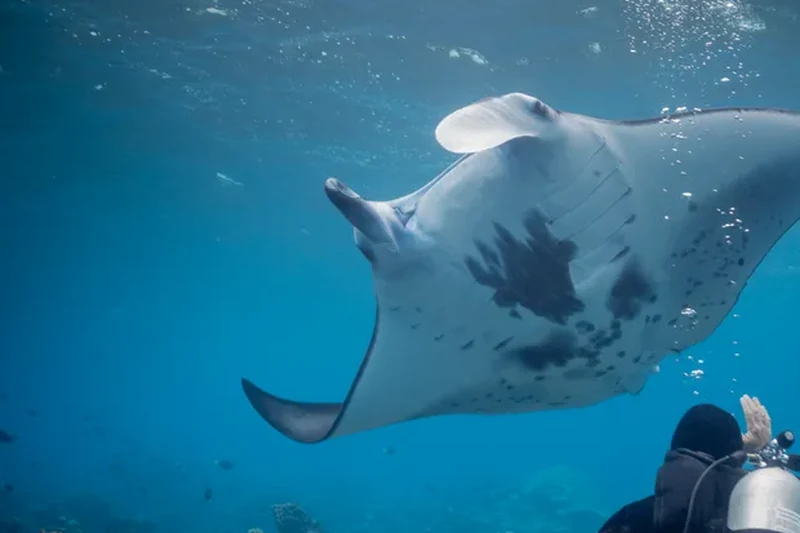
Mantas are one of the main reasons divers choose Raja Ampat. Sites such as Manta Sandy are known for manta encounters, and some routes may also include other manta cleaning areas depending on conditions and park rules.
But I would be careful with “manta season” language. Mantas are wild animals, not a scheduled show. The better way to think about it is this: plan Raja Ampat in the main liveaboard season, choose an itinerary that actually includes manta sites, and accept that plankton, current and local rules decide the dive more than your wish list.
What marine life can you see by season?
The truth is that Raja Ampat is not only seasonal because of one animal. Most of the magic is there all year. The problem is access and comfort, not whether the reef stops being alive.
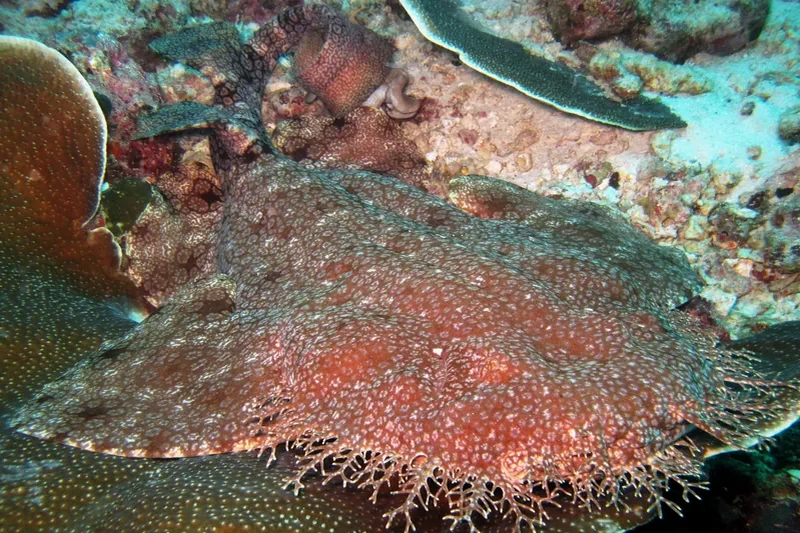
Reef fish, sweetlips, fusiliers, anthias, jacks, turtles, reef sharks, wobbegongs, pygmy seahorses, nudibranchs and soft corals can be part of the experience throughout the main diving season. The big difference is where the boat can go and how safely the crew can plan the dives.
| Marine life | Best planning window | Where to think about it | Diver note |
|---|---|---|---|
| Manta rays | October to April or May | Manta Sandy, Manta Ridge, Blue Magic and route-dependent cleaning stations. | Choose routes with known manta sites. Do not book only from a photo. |
| Wobbegong sharks | Main season, site dependent | Reef ledges, coral structure, guided searches. | They are easy to miss if you only stare into blue water. |
| Walking sharks / epaulette sharks | Night dives, site dependent | Some shallow reef and night-dive areas. | Ask if the route includes suitable night dives. |
| Pygmy seahorses and macro | Main season and calm-water sites | Sea fans, protected reef areas, macro-focused dives. | Good buoyancy matters. One fin kick can destroy the subject you came to see. |
| Schooling fish | All main season | Cape Kri, Sardine Reef, Dampier Strait sites. | Current often brings the action. It also asks for control. |
| Turtles and reef sharks | Year-round potential | Many reef sites. | Common does not mean guaranteed. |
Misool, Dampier Strait or north Raja Ampat?
This is where seasonal planning becomes practical.
Misool
Misool is the dream for many divers: soft coral walls, huge sea fans, fish everywhere, and that feeling that the reef has no empty spaces. But the south is more exposed to seasonal sea conditions. If Misool is the reason you are booking, choose the main liveaboard season and ask the operator clearly if Misool is in the planned route.
Dampier Strait
Dampier Strait is the name you keep seeing because the fish life can be ridiculous. Cape Kri, Sardine Reef, Blue Magic, Mioskon and nearby sites are often part of central Raja Ampat routes. This is where current can turn a dive from calm reef watching into a full fish storm.
North Raja Ampat and Wayag
North routes can bring dramatic island scenery and wide-angle diving, but not every itinerary goes there. If you want Wayag, check the actual route before booking. Do not assume “Raja Ampat liveaboard” means every famous area.
Is Raja Ampat suitable for beginners?
For a liveaboard, I would not sell Raja Ampat as a casual beginner destination.
Can a newer diver go? Sometimes, yes, depending on the boat, route, conditions and guide ratio. But Raja Ampat asks more from a diver than many people expect. There can be current, negative entries, tender pickups, open-water ascents, reef hooks on some trips, and dive sites where you need to stay close without crashing into coral.
My safer recommendation for a Raja Ampat liveaboard:
- Advanced Open Water or equivalent is better than only Open Water.
- 50 logged dives is a sensible baseline for many itineraries.
- You should be comfortable with drift diving and current.
- You should carry and know how to use an SMB.
- You should have buoyancy good enough to protect the reef without thinking about it every second.
If you are still fighting your weighting, your breathing or your position in the water, choose a calmer destination first. Raja Ampat will still be there when you are ready.
Respect the reef or do not go
Raja Ampat is not a place for careless fins, dragging gauges, kneeling on coral or photographers pushing into the reef to get a better angle. This ecosystem is valuable because it is alive. If your dive behaviour damages it, the problem is not the current. The problem is you.
What to ask before booking
- Does the route include Misool, Dampier Strait, north Raja Ampat or only central sites?
- What diver level and logged dives do you recommend, not only accept?
- Are reef hooks used, and if yes, what are the rules?
- Is an SMB mandatory?
- How many dives per day are planned?
- Is Nitrox included or extra?
- What happens if weather changes the route?
- Does the itinerary include manta cleaning stations?
- Are night dives included for walking sharks or macro?
My answer
The best time to dive Raja Ampat is not the month with the prettiest marketing photo.
For a liveaboard, look first at October to April. Stretch it to May if you understand it is a shoulder month. Be careful with June to September if your dream is a full classic route, especially Misool.
Then look at yourself realistically. Raja Ampat is not difficult every minute, but it is remote, current-shaped and too precious for sloppy diving.
Go when the season fits the route. Go when your skills fit the diving. And when you get there, dive like you know you are inside one of the richest reef systems left on the planet.
Compare Raja Ampat liveaboard diving trips
Use DiveScanner to compare liveaboard diving trips by destination, season, marine life, certification level and route difficulty.
Featured Indonesia liveaboards
A few Indonesia liveaboards to start with, each shown with real, current prices from every provider that sells it:
FAQ
What is the best time to dive Raja Ampat?
October to April is the strongest liveaboard planning window for most divers. October to May is also commonly used by travel guides and operators as the main Raja Ampat season.
When is the best time for manta rays in Raja Ampat?
The main liveaboard season, especially October to April, is the safest planning window for manta-focused Raja Ampat trips. Exact sightings depend on site, plankton, current and route.
Is Raja Ampat good in July or August?
July and August are not my first choice for a classic Raja Ampat liveaboard. Monsoon winds can affect sea conditions and many liveaboards move to other regions. Some northern and central diving may still be possible with resorts or selected operators.
How many dives do you need for Raja Ampat?
Requirements vary, but for a liveaboard I would prefer Advanced Open Water, drift comfort and around 50 logged dives. Some operators may accept less, but accepted does not always mean ideal.
Is Raja Ampat better by liveaboard or resort?
A liveaboard covers more distance and can reach more sites in one trip. A resort can be better if you want slower days, fewer logistics or if you are still building experience. The right choice depends on route, season and diver level.
Sources and planning notes
This guide was checked against current Raja Ampat information from PADI Travel's Raja Ampat liveaboard guide, Bluewater Dive Travel's Raja Ampat diving guide, and recent reporting on Raja Ampat biodiversity and conservation pressure. Conditions, routes and sightings change. Always check the exact itinerary, season, operator requirements and local rules before booking.