
Red Sea Liveaboard Season Guide: Best Time to Dive Egypt Month by Month
10 July 2026
Egypt's Red Sea is a year-round liveaboard destination, but it is really two different dive worlds, and the season decides which one you get. In the sheltered north you have the world-famous wrecks and reefs. Offshore in the south you have the big, current-swept reefs where the sharks gather in summer. This guide sets out the best time to dive the Red Sea month by month, with realistic, season-checked expectations for what you will actually see.
Quick answer
You can dive the Red Sea all year. For the famous wrecks and calm reef diving, the Northern routes work in every month and are at their best in the cooler, quieter season. For hammerheads and the offshore shark reefs (Brothers, Daedalus, Elphinstone), the warm months of roughly June to November are the window. Winter is cooler and cheaper; summer is warmer and shark-focused.
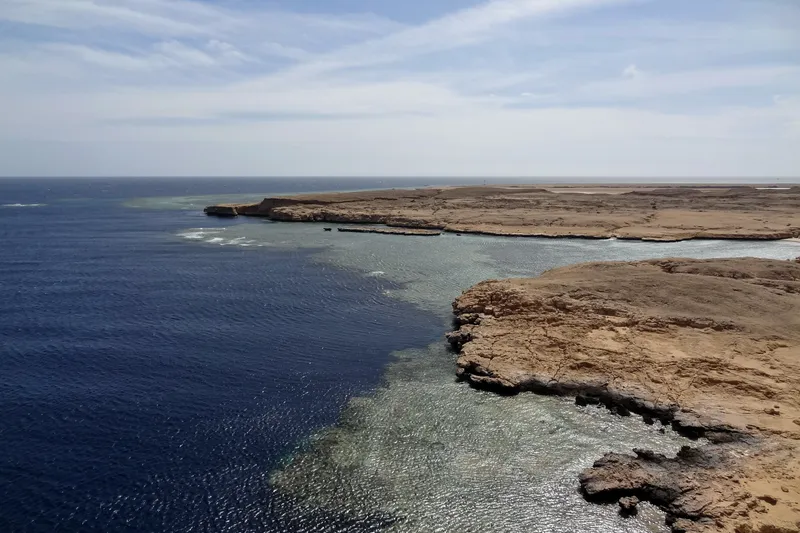
Photo: Sovernigo, CC BY-SA 4.0, via Wikimedia Commons.
The Red Sea's two regions
Before the calendar, the map. Which route you pick matters as much as which month, because the north and the south have different seasons.
| Region | Signature diving | Season |
|---|---|---|
| Northern wrecks & reefs | The SS Thistlegorm, the Abu Nuhas wrecks (Giannis D, Carnatic), Ras Mohammed and the Straits of Tiran | Sheltered and divable year-round; strongest in the cooler, quieter months. |
| Southern offshore reefs (BDE) | The Brothers, Daedalus and Elphinstone: walls, currents and sharks | Warm months, roughly June to November. This is the shark season. |
| Deep South (DRZ) | St John's, Fury Shoal, Rocky and Zabargad: remote reefs and pristine coral | Warm months; also the narrow May to June whale shark window at Daedalus. |
Best time to dive the Red Sea, month by month
| Month | Water & conditions | What stands out |
|---|---|---|
| January – February | Coolest water, about 21–23°C; calm in the north | The Northern wrecks and reefs at their quietest and best value. Fewer offshore sharks. Bring a 5–7mm wetsuit. |
| March – April | Warming up; good all-round conditions | Excellent reef diving and resident dolphins. Shoulder-season pricing before the summer offshore routes ramp up. |
| May – June | Warm and settling | The Deep South opens up and the narrow whale shark window at Daedalus falls here. Hammerheads begin to show. |
| July – August | Warmest, about 28–30°C | Peak shark season: scalloped and great hammerheads and threshers at Daedalus and the Brothers. Best offshore diving of the year. |
| September – October | Still warm | Strong shark diving continues on BDE and DRZ routes, with oceanic whitetips becoming more likely into the autumn. |
| November | Cooling; shoulder season | Good autumn shark chances, especially oceanic whitetips at Elphinstone and the Brothers, with thinner crowds. |
| December | Cooling toward winter | The season swings back to the sheltered Northern wrecks and reefs, into the festive peak. |
In the Red Sea, the itinerary decides the trip more than the month. A "Red Sea" week in July on a Brothers, Daedalus and Elphinstone route is a shark trip; the same week on a Northern route is a wreck-and-reef trip. Match the route to what you want to see, then check the season lines up.
Sharks: a summer story
The offshore southern reefs are what give the Red Sea its shark reputation, and the season is clear in the data: the shark window runs roughly June to October, peaking in high summer. Scalloped and great hammerheads patrol Daedalus and the Brothers mainly from June to August; threshers, silvertips and silky sharks share the same warm-water window; and oceanic whitetips become more likely into the autumn, around Elphinstone and the Brothers. In the cooler winter months these offshore encounters drop off sharply, which is exactly why winter is the season for the north instead.
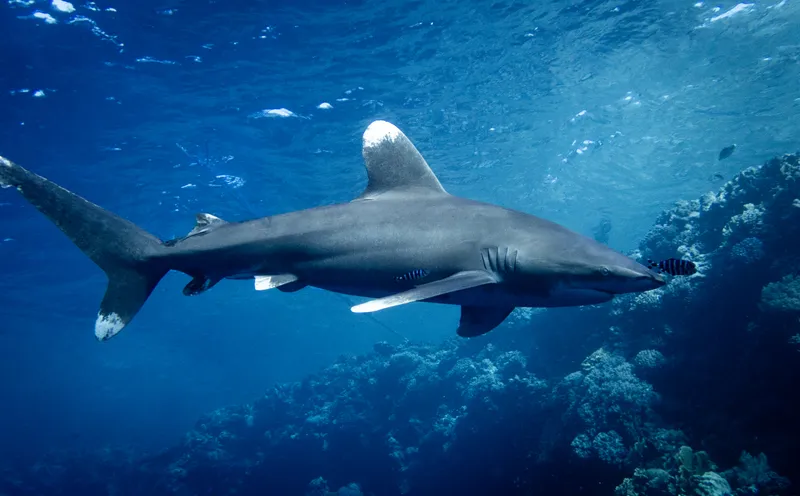
Photo: Polygonia c-album, CC BY-SA 4.0, via Wikimedia Commons.
Whale sharks and mantas: manage your expectations
Honesty matters here. The Red Sea is not the Maldives for big filter feeders. Whale sharks are seasonal and never guaranteed, with the realistic window being May to June, mainly around Daedalus Reef on the Deep South routes; outside that window chances are low. Manta sightings are possible from about May to July on the offshore routes, but the probability is low and Egypt is not a primary manta destination. If whale sharks or mantas are your main goal, the Maldives is the stronger choice. If you want them as a lucky bonus on a shark-and-reef trip, the late-spring Deep South is your best shot.
Dolphins, reefs and wrecks: the year-round Red Sea
Not everything in the Red Sea is seasonal. Spinner and bottlenose dolphins are resident at sites such as Sha'ab El Erg, Sataya and Samadai and are encountered year-round, with the best conditions from March to November. The reefs themselves are world-class every month, and lionfish and reef life are on virtually every dive. And the wrecks, the other half of the Red Sea's fame, do not have a season at all: a sunken ship is there in January and July alike, which is why the Northern wreck routes shine in winter when the offshore reefs are quiet.
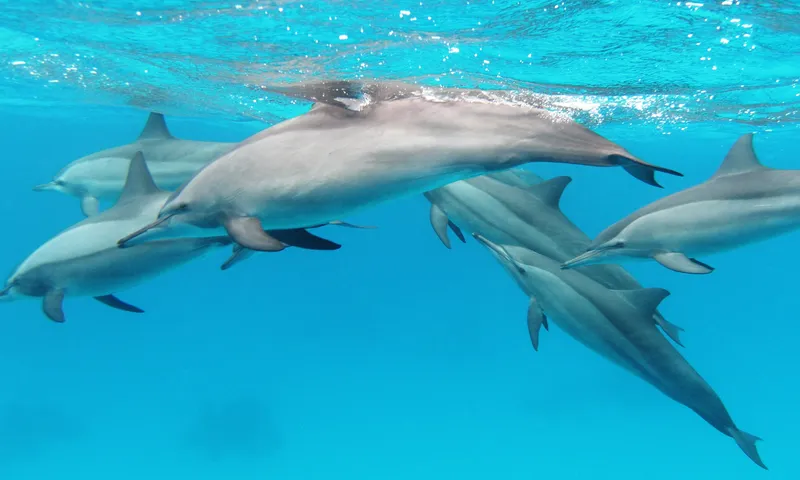
Photo: Alexander Vasenin, CC BY-SA 3.0, via Wikimedia Commons.
Red Sea wrecks and dive level
Wreck routes span the whole experience range. A Northern Wrecks & Reefs itinerary suits Open Water divers with around 10 logged dives, and the classic Thistlegorm route is comfortable at Advanced Open Water with about 20 dives. The deeper, more demanding wrecks, such as the Rosalie Moller or a Get Wrecked itinerary, realistically need Deep certification and around 50 logged dives. The offshore shark reefs (Brothers, Daedalus, Elphinstone) are current-swept walls that reward Advanced Open Water and comfort in blue water, not a first liveaboard. For the full wreck breakdown, see our famous Red Sea wrecks guide.
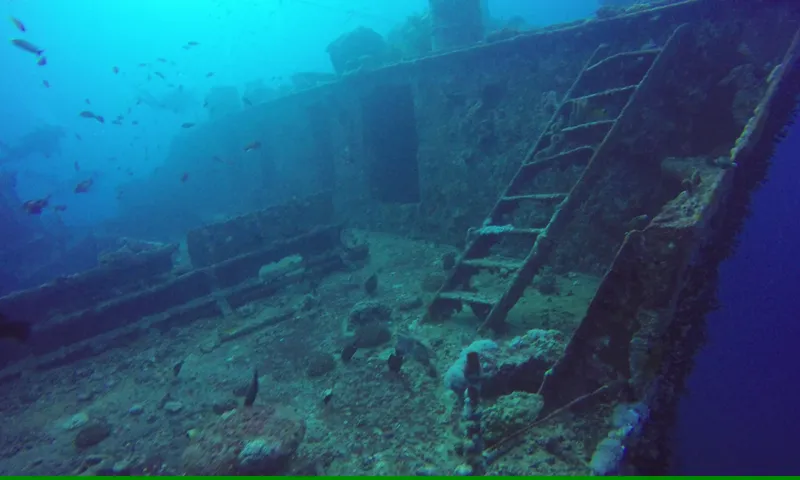
Photo: Wikicomman, CC BY-SA 4.0, via Wikimedia Commons.
Water temperature and what to pack
The Red Sea is warm by dive-travel standards but has a real winter. Expect around 21 to 23°C from January to March, climbing to 28 to 30°C by late summer. A 5mm to 7mm wetsuit (and a hood for the coolest weeks) is sensible in winter, while a 3mm suit is plenty in July and August. Air temperatures swing more than the water, so pack a warm layer for surface intervals on winter trips.
Choosing your Red Sea liveaboard
Decide first what you want most: wrecks, calm reef diving, or offshore sharks. That sets both your route and your season. Then check the itinerary names the right sites for that goal, and that the route matches your certification and logged dives.
DiveScanner compares real, current prices from every operator and agency that sells each Red Sea liveaboard, side by side, so you can pick the right route and month without checking every booking site yourself.
Compare Red Sea liveaboardsFeatured Red Sea liveaboards
A few Red Sea liveaboards to start with, each shown with real, current prices from every provider that sells it:
FAQ
When is the best time to dive the Red Sea?
The Egyptian Red Sea is divable all year. The Northern wrecks and reefs run year-round in sheltered water and are at their best in the cooler, quieter season. The offshore southern reefs (Brothers, Daedalus, Elphinstone) are best in the warm months, roughly June to November, which is also the shark season.
When is shark season in the Red Sea?
Summer is shark season on the offshore reefs. Scalloped and great hammerheads patrol Daedalus and the Brothers mainly from June to August, and the broader shark season runs June to October, with oceanic whitetips more likely in the autumn.
When can you see whale sharks in the Red Sea?
Whale sharks are seasonal and never guaranteed. The best window is May to June, mainly around Daedalus Reef on the Deep South routes. Outside that window chances are low.
What is the water temperature in the Red Sea?
Water is coolest in winter, around 21 to 23°C from January to March, and warmest in late summer, around 28 to 30°C from July to September. A 5mm to 7mm wetsuit suits winter, and a 3mm suit is enough in summer.
Are there tiger sharks in the Red Sea?
No. Tiger sharks are not a Red Sea attraction. For reliable tiger sharks, choose the Bahamas (Tiger Beach) or Fuvahmulah in the Maldives Deep South.
Related liveaboard diving guides
- Famous Red Sea wreck dives: Thistlegorm and Salem Express
- Best shark liveaboard destinations by diver level
- Best time to book a liveaboard by destination and season
- Advanced liveaboard routes: what dive level you need
Sources and responsible planning notes
Season windows in this guide come from DiveScanner's own Red Sea seasonal knowledge base (the same data that powers our search) and established Egyptian Red Sea route information. Wildlife is seasonal and never guaranteed. Around sharks and all big animals, keep your distance, do not touch or chase, and follow the crew's briefing. Questions? Contact us at [email protected].