
When Is the Best Time to Dive the Galapagos? Warm Season vs Cool Season
3 August 2026
The Galapagos runs on two seasons, not twelve months of the same thing. Pick the wrong one for your goal and you get a completely different trip.
For liveaboard diving, the choice is really a trade: warmer, calmer water with hammerheads and mantas, or colder, rougher water with the strongest chance of a whale shark at Darwin and Wolf.
Quick answer
December to May is the warm season, with calmer seas, warmer water and dependable hammerheads and mantas. June to November is the cool season, with colder, nutrient-rich water, rougher surface conditions and the strongest whale shark chances at Darwin and Wolf, usually from July to November. Neither season is a guarantee, and both need an advanced, current-comfortable diver.
Quick facts
| Warm season | December to May. Calmer seas, warmer water, better visibility, abundant hammerheads and mantas. |
|---|---|
| Cool season | June to November. Colder, nutrient-rich water, rougher seas, the strongest whale shark window, usually July to November. |
| Water temperature | Ranges from about 18 to 26°C depending on season and site. A 7mm wetsuit or drysuit is common in the cool season. |
| Where the action is | Darwin and Wolf for hammerheads, whale sharks and blue-water pelagics. Cabo Douglas and western Isabela for marine iguanas, penguins and mola mola. |
| Diver level | Advanced. Most liveaboards expect Advanced Open Water and around 50 logged dives. |
Why the Galapagos only really has two seasons
The Galapagos sits where warm and cold currents meet, and that is the whole reason the wildlife is so unusual. It is also why the diving splits cleanly into two seasons instead of drifting month to month like a tropical destination.
From December to May, the warm Panama current dominates. Seas are calmer, water is warmer and visibility is often better. Hammerheads, mantas, sea lions and turtles are active throughout this period.
From June to November, the cold Humboldt current takes over. Water gets colder and more nutrient-rich, which is exactly what draws whale sharks toward Darwin and Wolf, along with mola mola and the strange, cold-water species the Galapagos is known for. Surface conditions are rougher and current is stronger.
Neither season is objectively better. They are different trips built around different animals and a different comfort level in the water.
Best time for whale sharks in the Galapagos
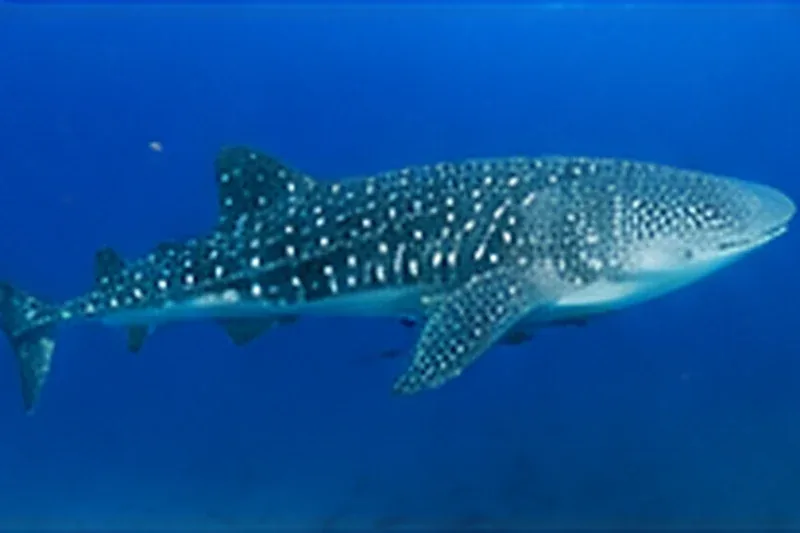
Whale sharks at Darwin and Wolf are one of the main reasons divers choose the cool season. Sightings are most often reported from around July to November, when the nutrient-rich cold current is strongest.
Treat this as a realistic chance, not a promise. Some seasons and itineraries produce many sightings, others fewer. Choose the cool season because you accept colder water and stronger current for the best odds, not because a whale shark is guaranteed.
Best time for hammerheads and mantas
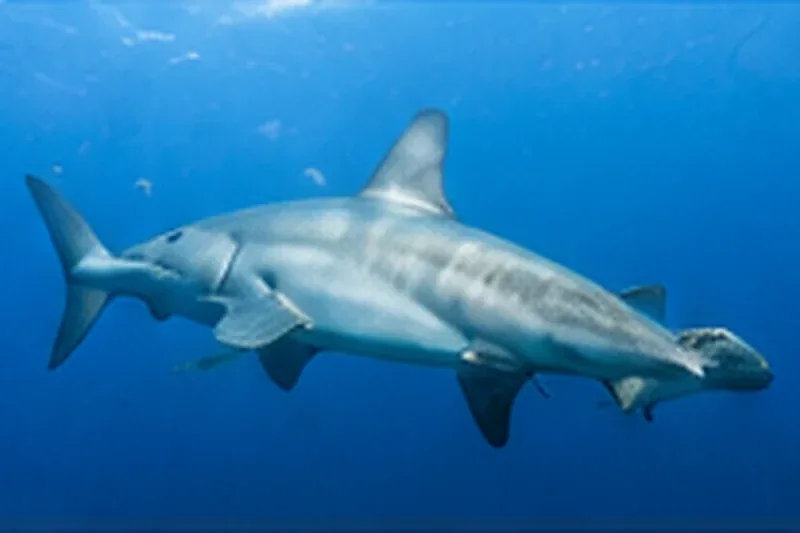
Scalloped hammerheads are a year-round Darwin and Wolf sighting, but the warm season from December to May is when conditions are most comfortable for watching them: calmer water, better visibility and less demanding surface conditions.
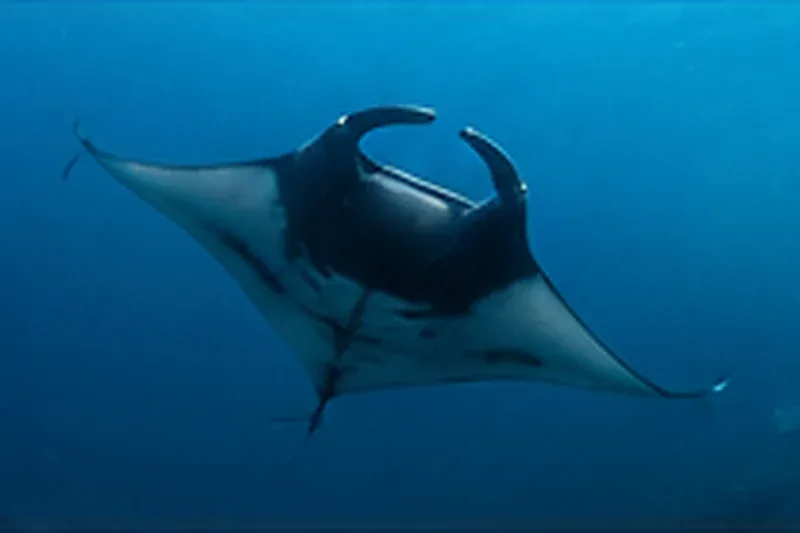
Giant manta rays follow a similar pattern. They can appear across the year at cleaning stations and in the blue, but the warm season generally gives easier, calmer encounters.
Warm season vs cool season at a glance
| Season | Months | Water | Marine life focus | Best for |
|---|---|---|---|---|
| Warm season | December to May | Warmer, calmer, generally better visibility | Hammerheads, mantas, sea lions, turtles, reef life | Divers who want big animals without the coldest, roughest conditions |
| Cool season | June to November | Colder, nutrient-rich, rougher surface conditions | Whale sharks at Darwin and Wolf (strongest July to November), mola mola, penguins | Confident divers chasing the strongest whale shark chance |
Best months by diver goal
| Goal | Season to choose | Why |
|---|---|---|
| Whale sharks | July to November | The cool season's nutrient-rich water is when whale sharks are most often reported at Darwin and Wolf. |
| Calmer, warmer diving | December to May | Warmer water and generally calmer seas make the warm season more comfortable overall. |
| Hammerheads | Year-round, easiest in the warm season | Hammerheads are present across the year, but warm-season conditions are gentler for watching them. |
| Marine iguanas, penguins, mola mola | Cool season | These cold-water species are linked to the same current that brings whale sharks. |
| First Galapagos liveaboard | Warm season | Calmer conditions make the learning curve of Galapagos diving slightly less demanding. |
Is the Galapagos suitable for beginners?
No, not as a first liveaboard. This is an advanced destination in both seasons. Current, surge, colder water and deep blue-water profiles mean most liveaboards expect Advanced Open Water certification and around 50 logged dives.
If you are still building buoyancy, comfort in blue water or experience in current, choose a gentler destination first and come back to the Galapagos once you have the dives behind you.
Instructor note
Water temperature swings more in the Galapagos than in most liveaboard destinations, from around 18°C in the cool season to around 26°C in the warm season. Bring real thermal protection, not a 3mm shorty, whichever season you choose.
How to choose your Galapagos month
Use this order:
- Decide what matters most: whale sharks, calmer conditions, or the widest mix of species.
- Pick the season that matches: cool season for whale sharks, warm season for calmer diving.
- Confirm the itinerary actually visits Darwin and Wolf if that is your goal.
- Check your certification and logged dives against what the operator requires.
- Pack thermal protection for the season you choose, not the destination's tropical reputation.
Compare Galapagos liveaboard diving trips
Use DiveScanner to compare Galapagos liveaboards by season, route and price.
Featured Galapagos liveaboards
A few Galapagos liveaboards to start with, each shown with real, current prices from every provider that sells it:
Final advice
The best time to dive the Galapagos is not one universal month. It is a choice between two real seasons.
If a whale shark at Darwin and Wolf is the goal, plan for July to November and accept colder, rougher conditions for the best chance. If you want the calmer, warmer version of the same big-animal diving, choose December to May.
Either way, this is an advanced destination. Choose the season for the animal you want, then make sure your certification and experience match what the Galapagos actually asks of you underwater.
FAQ
What is the best time to dive the Galapagos?
It depends on your goal. December to May, the warm season, brings calmer seas and dependable hammerheads and mantas. June to November, the cool season, brings the strongest whale shark chances at Darwin and Wolf, usually from July to November.
When do whale sharks reach Darwin and Wolf?
Most often from around July to November, during the cool season. Sightings are never guaranteed.
How cold is the water in the Galapagos?
It can range from about 18 to 26°C depending on season and site, so real thermal protection matters more here than in most tropical destinations.
Is the Galapagos suitable for beginners?
No. It is an advanced destination in both seasons. Most liveaboards expect Advanced Open Water and around 50 logged dives.
Sources and planning notes
This guide uses the same warm-season and cool-season pattern published in DiveScanner's Galapagos liveaboard marine life guide, based on the Panama and Humboldt current cycle that drives Galapagos wildlife seasonality. Sightings, conditions and operator routes can change. Always confirm the exact itinerary, season and diver-level requirements before booking.