Liveaboard comparison guide
How Should You Compare Liveaboards Before Booking?
Compare liveaboards in this order: exact route, diver suitability, cabin arrangement, dive operation, included services and total payable cost. A cheaper or more luxurious boat is not the better choice when the itinerary does not match your training, comfort or travel plan.
What is the quickest fair comparison?
Place two trips side by side using the same dates and cabin basis. Compare the route and diver requirements first, then the boat, inclusions, transfers, solo rules and final cost.
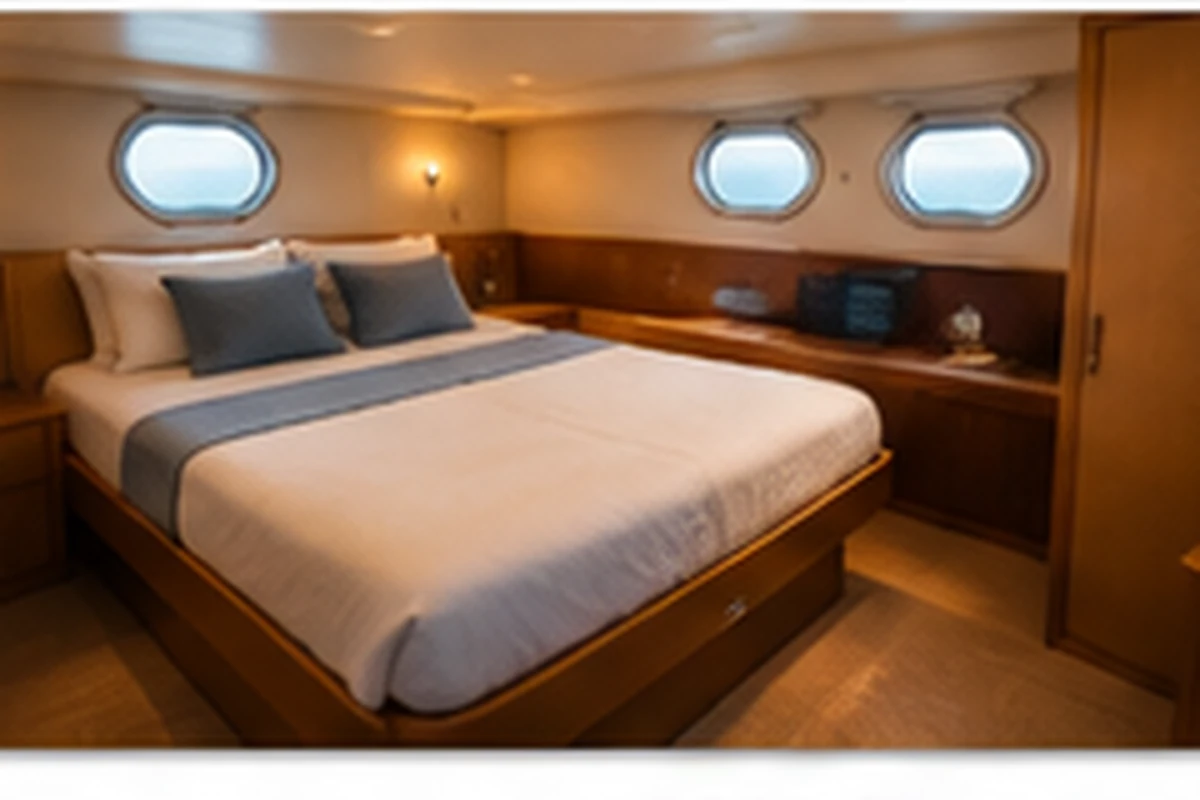
Cabin photos matter, but they are only one part of the comparison. Route suitability and the full trip conditions come first.
Which comparison categories matter most?
Use the same categories for every trip. This stops one attractive feature from hiding a weak point elsewhere.
| Category | What to compare | Why it matters |
|---|---|---|
| Route | Exact itinerary, dive sites, crossings and season | The route controls the diving experience and conditions. |
| Diver fit | Certification, logged dives, depth, current and entry methods | A good boat cannot make an unsuitable route safe for your experience. |
| Cabin | Bed type, bathroom, deck, ventilation, sharing and solo supplement | Cabin rules affect both comfort and final cost. |
| Dive operation | Group size, tenders, briefings, guides, equipment and Nitrox | These details shape every diving day. |
| Inclusions | Meals, transfers, tanks, weights, fees and rental items | Two similar base prices may produce different totals. |
| Travel logistics | Embarkation time, port, airport connection and final-day schedule | A poor connection can add a hotel night or create a missed departure risk. |
Why should you compare the itinerary before the boat?
The itinerary decides where you dive, how far the vessel travels and which conditions are likely. Compare the exact route name rather than assuming all trips in one destination are interchangeable.
A luxury cabin does not compensate for a route with depths, current or entry methods beyond your training. Start with the route, then assess the vessel that operates it.
How do you compare diver requirements?
Use your real current profile. Compare the stated minimum with your certification, logged dives, recent diving and comfort in the conditions described.
- Maximum planned or typical depth
- Strength and frequency of current
- Negative entries or rapid descents
- Blue-water ascents and DSMB use
- Night dives, wrecks or overhead environments
- Distance from shore and access to emergency support
For routes that demand more experience, review the advanced liveaboard routes guide before comparing boats.
How should you compare cabins?
Compare the cabin you can actually book, not the best cabin shown in the photo gallery. Check the exact deck and bedding arrangement.
| Cabin detail | What to confirm |
|---|---|
| Beds | Twin, double, bunk, convertible or fixed layout |
| Bathroom | Ensuite or shared, wet-room layout and hot-water availability |
| Position | Lower, main or upper deck, plus distance from engines and communal areas |
| Light and ventilation | Windows, portholes, air-conditioning and opening vents |
| Storage | Space for luggage, charging and personal items |
| Solo use | Pairing rules, private-cabin availability and single supplement |
How do you compare the dive operation?
Look at how the diving is organised, not only how many dives are advertised. Group size, guide availability and entry method can matter more than one extra scheduled dive.
- Maximum divers per guide or group
- Main-vessel entries, tender diving or both
- Space and organisation on the dive deck
- Tank size, valve type and equipment setup
- Nitrox availability and whether it is included
- Camera tables, charging rules and rinse facilities
- Safety briefings, oxygen, emergency procedures and diver tracking
How do you compare the real total cost?
Use one currency and one cabin basis, but do not convert or estimate prices inside the article. Add only confirmed charges from the trip information.
Compare the base trip price with Nitrox, rental equipment, transfers, domestic travel, marine-park fees, port charges, fuel surcharges, single supplement and required hotel nights.
A low base price is not always the cheapest trip
A trip with more included services may cost less after transfers, fees and equipment are added. Compare the final payable total, not the first number shown.
Does a larger or more luxurious boat mean a better liveaboard?
No. A larger boat may offer more deck space, larger cabins and more communal areas. A smaller boat may carry fewer guests and feel less crowded.
Neither option is automatically better. Compare stability, guest capacity, cabin layout, dive-deck organisation, tender use and the route that the vessel operates.
What comparison mistakes should you avoid?
- Comparing different routes as if they were the same product
- Comparing a shared cabin price with a private cabin price
- Ignoring transfer and local fee differences
- Choosing by the number of advertised dives without checking conditions
- Assuming a famous boat is suitable for every diver
- Using old prices or availability instead of checking current results
How can you score two liveaboards?
Use a simple pass or fail test before giving any trip a score. If the route is unsuitable for your training or the logistics do not work, remove it.
| Step | Decision |
|---|---|
| 1. Safety fit | Does the route match certification, logged dives and recent experience? |
| 2. Travel fit | Do the dates, port and transfers work without unsafe flight timing? |
| 3. Cabin fit | Is the actual available cabin acceptable for sharing, privacy and comfort? |
| 4. Dive-operation fit | Do the group size, tender setup and equipment rules suit you? |
| 5. Cost fit | Is the confirmed total within budget after all required charges? |
Frequently asked questions
What is the most important liveaboard comparison factor?
The exact itinerary is usually the most important factor because it determines the dive sites, conditions, depth, current and experience level required.
Should I choose the cheapest liveaboard?
Choose the lowest total cost only when the route, cabin, diving operation, transfers and included services also match your needs.
How do I compare liveaboard cabins?
Compare bedding, bathroom type, deck level, windows, ventilation, storage, engine proximity, sharing rules and any single supplement.
Does a bigger liveaboard mean a better trip?
Not automatically. A larger vessel may offer more space, while a smaller vessel may have fewer guests. Route quality, crew procedures and diver suitability still matter more.
How can I compare two liveaboards fairly?
Use the same travel dates, route type, cabin basis and included costs. Then compare diver requirements, number of guests, dive logistics and the final payable total.
Sources and references
- PADI Travel: Liveaboard Diving
- PADI Advanced Open Water Diver Course
- PADI Enriched Air (Nitrox) Diver Course
- Divers Alert Network: Know Before You Go
- Divers Alert Network: Dive Accident Insurance
- Divers Alert Network: Flying After Diving
Ready to compare liveaboards?
Compare current trips using your destination, month, certification, logged dives and preferred marine life.
Compare liveaboards Explore Maldives liveaboardsQuestions about DiveScanner articles: [email protected]