
Quick answer
Yes. For a liveaboard you want comprehensive travel insurance with two sides. One side protects your money if the trip is cancelled, cut short or disrupted. The other side covers the diving, medical care at your depth, a hyperbaric chamber and emergency evacuation. A standard holiday policy often covers neither well, so read the wording and confirm the details with your insurer.
Why a liveaboard needs its own thinking
A liveaboard is not a normal holiday. You pay for it well in advance, it runs to a fixed date, and it takes you far from shore for days at a time. That mix is what makes cover matter.
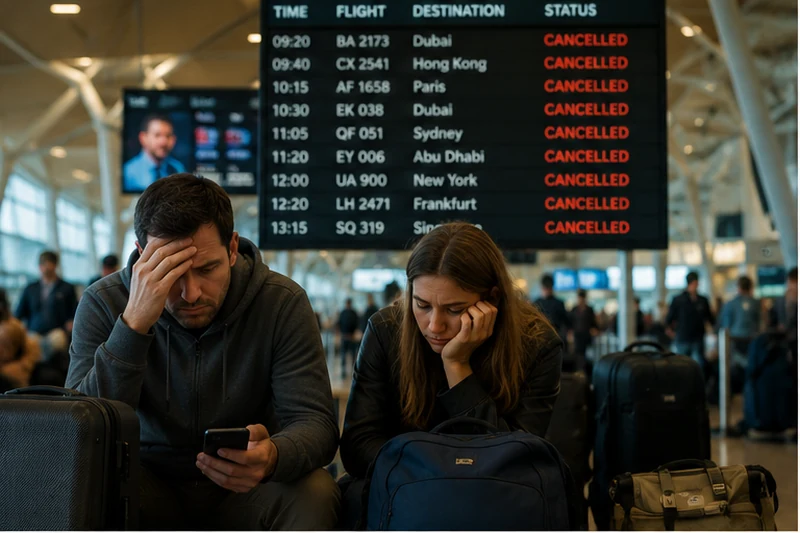
Things outside your control can stop a trip you already paid for. An airspace closure can ground your flights. Weather can shut a route. A boat can have a mechanical problem, or an operator can cancel a departure. Without the right cover, you carry that loss yourself. DiveScanner keeps a live travel warnings page for every dive destination, showing airspace closures and flight suspensions before you book.
Cover for your money, the trip side
This is the part that protects what you paid. Look for these points in the wording:
- Trip cancellation up to the full trip cost, if you cannot travel for a covered reason.
- Trip interruption or curtailment, if the trip is cut short after it starts.
- Travel disruption outside your control, such as airspace closures, weather and missed departures. Check this is named, not assumed.
- Lost dive days, from weather, a medical issue or a mechanical breakdown.
- A cancel for any reason option. This is an upgrade that gives the widest flexibility and usually returns part of the cost. It is often time limited from the day you book, so add it early.
Cover for your diving, the medical side
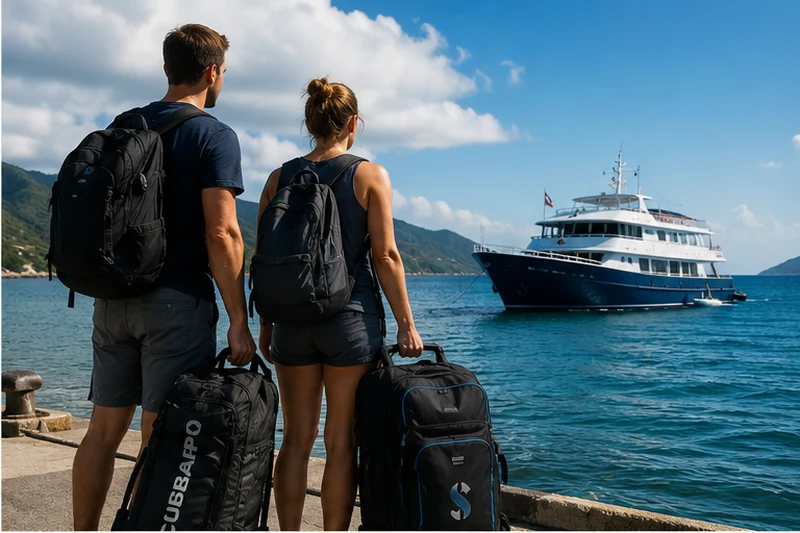
Standard travel policies often cover only shallow depths, or exclude scuba as the main purpose of the trip. For a liveaboard you want cover written for diving:
- Scuba diving at the depth you dive to and your certification level. Confirm the insured depth matches your plan, since some policies stop at a shallow limit.
- Hyperbaric chamber treatment for decompression illness.
- Emergency medical evacuation and search and rescue. Far from shore this can be very costly, so it needs to be named.
- Repatriation home if you need continued care.
What to check before you buy
- The insured depth matches your planned depth and your certification.
- Diving is covered as a main purpose of the trip, not treated as excluded.
- The chamber, evacuation and search and rescue are all included.
- Disruption outside your control, airspace and weather, is covered.
- Your destination and travel dates are inside the policy.
- Your dive gear is covered for loss or damage, with a sensible single item limit.
- The claims process, and what proof you need to keep, for example receipts and reports.
- Whether cover depends on diving with a guide or a buddy.
Lower the risk before you book
Insurance protects the money. Planning lowers the chance you need it. On DiveScanner you can stack the odds in your favour:
- Pick the right season. The Cruise Advisor shows when conditions and the marine life you want are strongest, so you are less likely to face a washout.
- Dive within your level. Filter by certification and logged dives, so you only see trips that match your experience.
- Compare trips cheapest first, so you know the full cost before you commit.
Your booking checklist
Run through these before you buy. Download the checklist as a PDF and take it with you.
Protect your money
- Trip cancellation cover up to the full trip cost.
- Trip interruption or curtailment, if the trip is cut short.
- Disruption outside your control is named: airspace closures, weather, missed departure.
- Lost dive days from weather, a medical issue or a mechanical breakdown.
- A cancel for any reason option, added early, it is often time limited.
Protect your diving
- Scuba covered at the depth you dive to and your certification level.
- The insured depth matches your plan, not only a shallow limit.
- Hyperbaric chamber treatment for decompression illness.
- Emergency evacuation and search and rescue from remote areas.
- Repatriation home for continued care.
Before you pay
- Your destination and travel dates are inside the policy.
- Dive gear covered for loss or damage, with a sensible single item limit.
- You know the claims process and what proof to keep, receipts and reports.
- You know if cover needs a guide or a buddy.
- You have read the full policy wording.
Sign in to save this article to your favourites, and download your reading list any time.
♡ Save to favourites♥ Saved · Download your listPlan a trip you are less likely to cancel
Set your dates, your level and the marine life you want, and compare liveaboards cheapest first.
Compare liveaboards for your tripLiveaboard insurance FAQ
Do you need special insurance for a liveaboard? Yes. A standard travel policy may exclude diving or cover only shallow depths. Look for cover for scuba at your depth and level, plus a chamber and evacuation.
Does travel insurance cover a cancelled liveaboard trip? It can, if you hold trip cancellation cover and the reason is covered. Check that disruption outside your control, like airspace closures and weather, is included, and consider a cancel for any reason option.
What should dive travel insurance cover? Trip cancellation and interruption, travel disruption, dive medical at your depth, a hyperbaric chamber, emergency evacuation and search and rescue, and your dive gear.
Is a decompression chamber covered by normal insurance? Often not. Confirm chamber treatment and evacuation are named in the policy, because care far from shore can be very costly.
Read next: Is liveaboard diving safe?, and what a liveaboard is and how to choose one.