
Wreck diving liveaboards: how to choose the right route
23 August 2026
Wreck diving liveaboards work when the route, depth and training match the diver. On DiveScanner, wreck diving is treated as its own route type, not as marine life, because wrecks do not have a season. The current wreck focus is the Red Sea in Egypt, with the SS Thistlegorm as the named wreck in the route data.
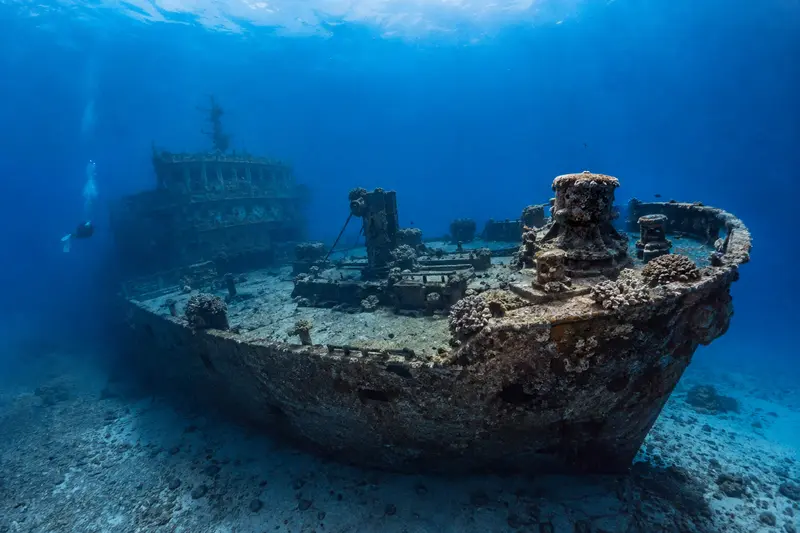
A wreck diving liveaboard route is chosen by wreck, depth and diver level. Image: DiveScanner.
Quick answer
Choose a wreck diving liveaboard by route first, then by certification and logged dives. DiveScanner marks Northern Wrecks and Reefs as Open Water with 10 logged dives, with Advanced Open Water and 20 dives recommended. The Thistlegorm route is marked Advanced Open Water with 20 logged dives. Wreck penetration needs the Wreck Diver specialty.
What makes a wreck diving liveaboard different?
A wreck liveaboard is not just a normal reef itinerary with one old ship added. The diving asks for more planning. Depth can change quickly around a wreck. Metal edges, silt, current, mooring lines and other divers can make the site more demanding than a relaxed coral garden. A good wreck itinerary gives enough time to understand the site, repeat the key wrecks, and combine them with easier reef dives so the week does not become too heavy.
That is why DiveScanner keeps wreck diving separate from the marine life filter. Animals move with seasons. Wrecks stay in place. The useful question is not, "What month is the wreck there?" The useful question is, "Which itinerary reaches it, and is that route suitable for my level?"
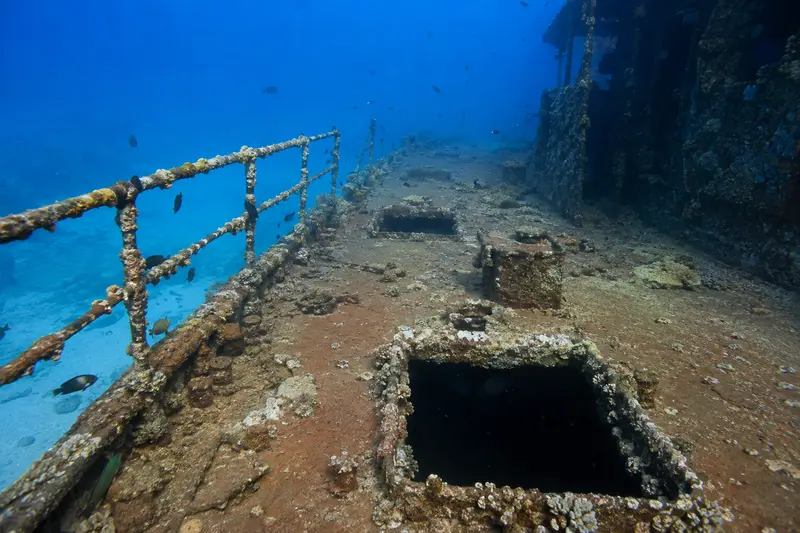
Where DiveScanner wreck liveaboards are focused now
The current wreck liveaboard focus is the Red Sea in Egypt. The route pages already support wreck diving liveaboards, North Red Sea wreck liveaboards, and broader Egypt liveaboards. Those pages connect the wreck route, the boat, the month and the diver level.
The SS Thistlegorm is the named wreck used in this article because it is present in the current DiveScanner wreck route data and existing article data. Northern routes can also include wreck and reef combinations around Abu Nuhas, Dunraven, Ras Mohammed and Shag Rock, depending on the exact itinerary. Deeper wreck weeks are marked for higher certification and logged dive levels.
Thistlegorm route level
The current DiveScanner wreck data marks the Thistlegorm route as Advanced Open Water with 20 logged dives minimum. It also notes that the deeper stern sits around 30 m, and that the route asks for good buoyancy and no panic in current.
This is why certification and logged dives matter before booking. A diver who is still working on trim, air use or current comfort should start with easier reef and wreck profiles before making the Thistlegorm the main route goal.
If you want the deeper interior profile, that is a different decision. Entering a wreck is overhead diving. It needs the Wreck Diver specialty, proper line awareness, good buoyancy, gas discipline and a guide plan that allows it. Swimming outside a wreck is still wreck diving, but it is not the same as penetration.
How to pick the right wreck route
| Route type | Who it suits | What to check before booking |
|---|---|---|
| Northern wrecks and reefs | Open Water with 10 dives is marked as allowed. Advanced Open Water with 20 dives is recommended. | Check if the itinerary names the Thistlegorm, Abu Nuhas, Dunraven, Ras Mohammed or Shag Rock. |
| Thistlegorm focused route | Advanced Open Water divers with about 20 logged dives, good buoyancy and current comfort. | Check planned number of Thistlegorm dives, likely depth profile and whether the route includes easier reef dives. |
| Deep wreck week | Divers with Deep Diver training, around 50 logged dives and calm gas planning. | Check if the route includes deeper wrecks. Do not treat this as a first liveaboard. |
How to use the Wrecks filter
On the DiveScanner homepage, open the search, choose Egypt, and select Wrecks. Add your certification and logged dives before you compare. This matters because the same destination can hold different route levels. A northern wreck and reef week is marked lower than a deeper wreck week in the current DiveScanner route data.
The Wrecks filter is there to protect the quality of the match. It looks for wreck itinerary fit and shows the route in a way a diver can use. The result should help you avoid the two common mistakes: booking a reef route and expecting a wreck week, or booking a demanding wreck route before you have the right skills.
Best time for Red Sea wreck liveaboards
The wrecks are permanent, so the question is comfort and conditions rather than animal season. DiveScanner route copy lists the Red Sea wrecks as year round, with spring and autumn as planning windows for warm water and calmer seas. Summer is warmer. Winter is cooler, so exposure protection matters.
For the Thistlegorm, the current route page notes that an early dive is useful before day boats arrive from Sharm. This still depends on weather, mooring, operator plan and the exact itinerary.
Safety checks before you book
Before choosing a wreck liveaboard, read the route details like a diver, not like a tourist. Look for the named wrecks, likely depths, minimum certification, logged dive expectations and whether nitrox is recommended. Ask yourself if you are comfortable holding depth near a line, staying clear of silt, managing current and ending a dive with reserve gas while excited or distracted.
Wreck diving is not only about history. It is also about control. Good buoyancy keeps the wreck intact and keeps you safe. Good finning keeps silt out of other divers' faces. Good judgement keeps you outside when you do not have the training to go inside.
What to read next
If you want the detailed wreck background, read the Red Sea wreck guide with the SS Thistlegorm. If you are choosing a month, use the Red Sea liveaboard season guide. When you are ready to compare trips, open wreck diving liveaboards or search Egypt with the Wrecks filter.
Compare wreck diving liveaboardsFAQ
Where are DiveScanner wreck diving liveaboards focused?
DiveScanner wreck diving liveaboards are currently focused on the Red Sea in Egypt, especially northern routes that include the SS Thistlegorm and related wreck sites.
Is Thistlegorm suitable for newer wreck divers?
DiveScanner wreck route data marks the Thistlegorm route as Advanced Open Water with 20 logged dives, with good buoyancy and current control. Easier northern wreck and reef routes are marked Open Water with 10 logged dives, with Advanced Open Water and 20 dives recommended.
Do I need the Wreck Diver specialty for a wreck liveaboard?
You need the Wreck Diver specialty for wreck penetration. Swimming around the outside of a wreck is different, but it still needs the right depth, buoyancy and current skills for that site.
When should I book a wreck diving liveaboard?
Wrecks do not have an animal season, so Red Sea wreck diving is handled by route, conditions and diver level. Spring and autumn are listed in DiveScanner route copy as useful planning windows for warm water and calmer seas.