
Liveaboard marine park fees: what they are and how much in 2026
20 July 2026
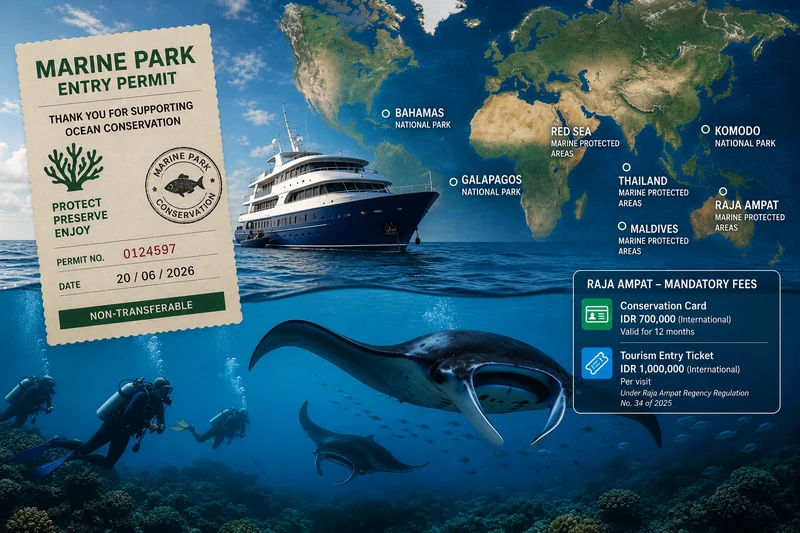
Image: DiveScanner.
When you compare a liveaboard price, marine park fees are usually not included. They are paid separately, often in cash on board, and they can add a real amount to your trip. Here is what they are, whether you have to pay, why they exist, and how much to expect in 2026.
What is a marine park fee?
A charge to enter a protected marine area or national park where you dive. It is set by the government or park authority, not the operator, and it is usually collected on board or on arrival, in cash. It is separate from the trip price, from tips, and from any fuel surcharge.
Is it obligatory?
Yes. Where a route enters a protected park, the fee is mandatory for everyone diving, snorkelling or entering the area. Operators collect it because the park requires it. You cannot opt out and still dive those sites.
Why does it exist?
The money funds the protection of the place you came to see: rangers, patrols, mooring buoys, reef and wildlife protection, and local conservation. In short, the fee is what keeps the mantas, sharks and reefs there for the next trip. A marine park is not a gate on land, it is the reef itself, so the fee protects what is underwater.
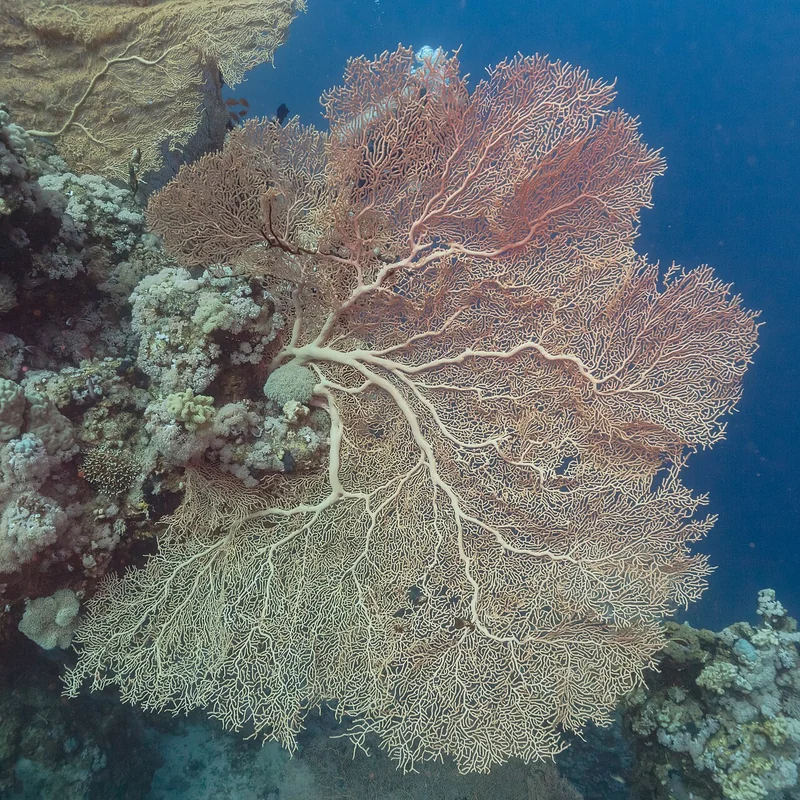
A marine park is underwater. Photo: Diego Delso, CC BY-SA 4.0, via Wikimedia Commons. Ras Muhammad National Park, Red Sea.
How much in 2026, by destination
Approximate, per person, for 2026. Confirm the current amount with your operator, as these change.
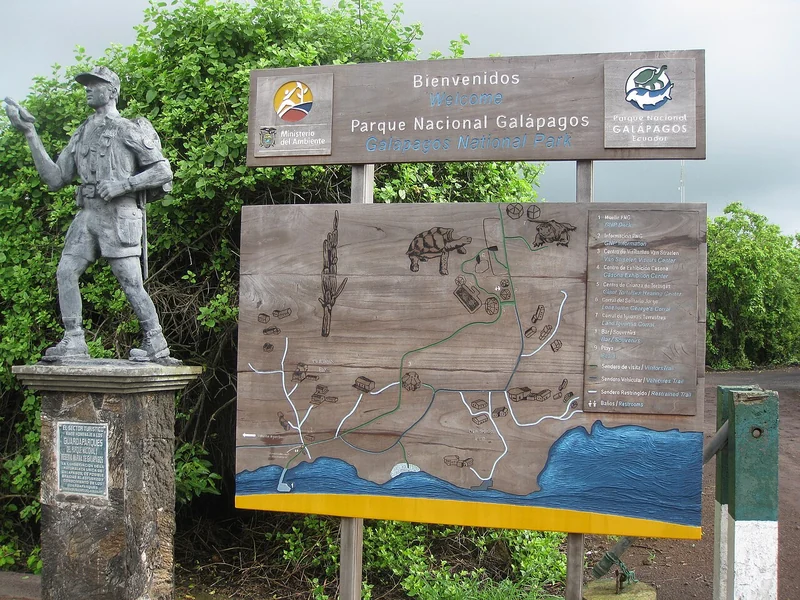
Photo: Linda from Chicago, CC BY 2.0, via Wikimedia Commons. Galapagos National Park.
| Destination | Typical 2026 fee | Notes |
|---|---|---|
| Galapagos | National park 200 USD, plus a 20 USD transit control card | Paid on arrival in the islands, cash. The highest of the group. |
| Raja Ampat (Indonesia) | Conservation card IDR 700,000 (international, valid 12 months), plus a tourism entry ticket IDR 1,000,000 (international, per visit) | Both are mandatory, under Raja Ampat Regency Regulation No. 34 of 2025. Paid online before or on arrival. |
| Komodo (Indonesia) | Roughly 20 to 50 USD for the trip, park and ranger fees | Variable, has changed often, confirm. |
| Red Sea (Egypt) | About 90 to 130 EUR per week of marine park and port fees on offshore routes | Often listed as marine park fees on the invoice. |
| Thailand (Similans) | About 30 to 60 USD, Similan and Surin national park fees | Charged per park entered. |
| Maldives | Green Tax about 6 USD per person per night, plus small protected area fees at some sites | A government tax that lands like a park fee. |
| Bahamas | Usually none on the shark routes, small fees only inside specific parks | Confirm for your itinerary. |
Budget it before you book
DiveScanner shows the real trip price from every operator, cheapest first. Marine park fees, tips and any fuel surcharge sit on top, so set aside a little extra. Confirm the exact park fee with your operator before you travel, and bring it in cash. For the other costs that sit on top of the trip price, see our liveaboard fuel surcharge guide and the liveaboard tipping guide.
Compare liveaboards, cheapest firstFAQ
Are marine park fees included in the liveaboard price?
Usually no. They are paid separately, often in cash on board.
Do I have to pay marine park fees?
Yes, where the route enters a protected park the fee is mandatory for everyone diving.
Which destination has the highest park fee?
The Galapagos, at 200 USD plus a 20 USD transit card in 2026.
Why do liveaboards charge marine park fees?
The fee is set by the park and funds ranger patrols, moorings and conservation of the reefs and wildlife.
Sources and planning notes
Fees change every year and vary by route. All amounts are approximate for 2026 and should be confirmed with your operator before you travel. Questions? Contact us at [email protected].