
Quick answer
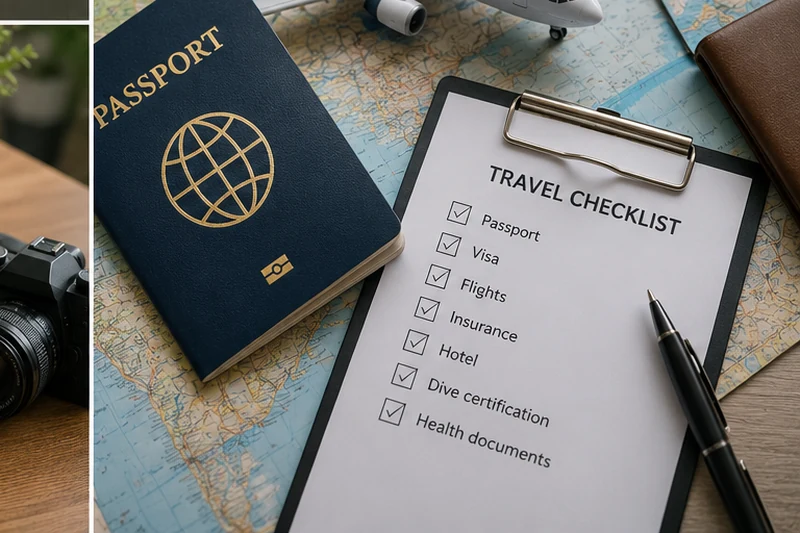
Check five things before you book a liveaboard: passport validity, visa or electronic travel authorisation, transit rules, operator boarding forms and destination fees or permits. A liveaboard is fixed to a sailing date, so a document problem can mean missing the boat, not just changing a hotel night.
Why visa checks matter more on a liveaboard
A liveaboard is less flexible than a normal hotel holiday. The boat has a departure time, a port, a route and a passenger list. If your flight connection fails, your passport is short on validity, or a transit rule blocks boarding, the boat may still leave.
That is why visa and entry checks belong at the start of liveaboard planning. Divers often focus on the fun decisions first: whale sharks, mantas, wrecks, cabins and price. Those matter. But the quiet admin decides whether you can actually board.
What should you check first?
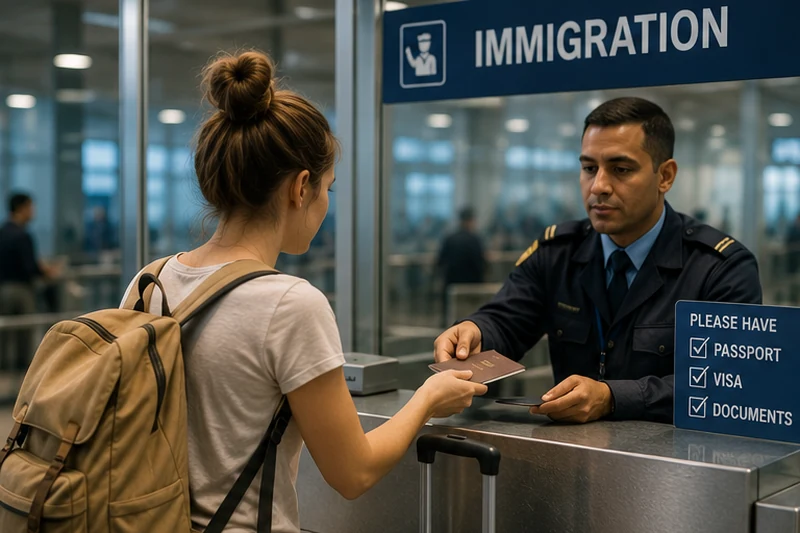
Start with your passport country and the exact country where the liveaboard starts. Then check every transit country and every airport on the journey. Visa-free entry to the destination does not always mean visa-free transit, and a domestic transfer can still need correct passenger details.
| Check | Why it matters for liveaboards |
|---|---|
| Passport validity | Some countries require your passport to stay valid for months after travel. A passport that looks valid to you can still fail an entry rule. |
| Visa or electronic authorisation | Some travellers need a visa, e-visa, ETA or arrival authorisation before flying or boarding. |
| Transit countries | Connecting through another country can create extra requirements, especially with overnight stops, airport changes or separate tickets. |
| Liveaboard boarding documents | Operators often need passport details, insurance information, emergency contact, arrival and departure details and completed forms. |
| Local permits and fees | Some destinations need marine park permits, port fees, national park fees or local visitor payments that are separate from the cabin price. |
How DiveScanner helps with travel requirements
The new DiveScanner requirements search is designed for the part of trip planning divers usually leave too late. You can compare the liveaboard, then check what the trip may require before you commit: travel documents, destination rules, insurance, certification and operator forms.
This matters because a diver is not only a tourist. You are travelling with dive gear, entering a remote route, joining a fixed sailing and proving you are trained for the dives. A good search should help you see the whole trip, not only the cabin price.
Which documents do liveaboard operators usually ask for?
Each operator has its own process, but the common pattern is clear. Expect to provide passenger details early, especially when the departure is close.
- Full name and nationality as shown in the passport.
- Passport copy or passport details.
- Emergency contact.
- Dive insurance provider and policy number, when required.
- Diving certification and sometimes logged dives.
- Arrival flight, departure flight, hotel and transfer details.
- Medical declaration, liability release or safe diving form, when required by the operator.
- Special requests such as equipment rental, dietary needs or private guide requests.
What divers often forget
The most common mistakes are small, but they are expensive. A diver books the boat, then checks the passport. A couple books flights with a tight connection, then discovers the domestic transfer needs more time. A solo traveller assumes the liveaboard form is optional. Someone buys travel insurance but misses the diving depth limit.
Good planning does not make the trip less exciting. It makes it easier to relax when the diving starts.
How to use the requirements check before booking
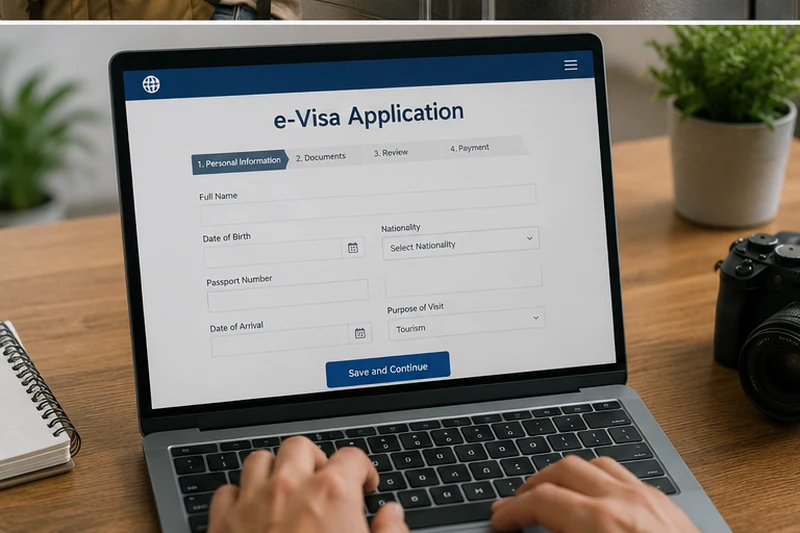
Use this order when planning a liveaboard:
- Choose the destination and month.
- Check the route, dive level, logged dives and marine life season.
- Open the visa and requirements check for the destination.
- Check passport validity, visa, ETA, transit and arrival rules.
- Confirm operator forms, insurance, transfers, park fees and local payments.
- Only then pay for flights and finalise the booking.
Visa check by popular liveaboard destination
The exact rule depends on your passport, so this table does not replace official advice. Use it as a planning map for what to check.
| Destination | Requirement questions to ask before booking |
|---|---|
| Egypt Red Sea | Do you need a visa or e-visa? Which airport and port are you using? Does the operator need hotel or flight details for transfers? |
| Maldives | Do your international arrival and domestic transfer timings work? Does the route start and end in the same place? Are all passenger forms complete? |
| Thailand | Do you meet passport and entry rules for your nationality? Are airport or hotel transfers included, and does the operator need pickup details? |
| Indonesia | Which port does the trip use, and do your arrival city, domestic flights and local visitor requirements match the itinerary? |
| Galapagos | Do your mainland Ecuador flights, domestic flights, park requirements and operator documents line up with the sailing date? |
| Bahamas | Do you meet entry rules for your passport, and do your flights allow enough time to reach the liveaboard meeting point? |
Do not treat visa information as permanent
Entry rules change. Airlines and border officers work from current requirements, not what was true when you first searched. Check when you start planning, again before paying the final balance, and again before travel.
Use official government sources, your airline, and the operator's latest boarding instructions. For flight and airspace disruption, check the live travel warnings page before you finalise dates. DiveScanner can help you plan and spot the right questions, but governments and border authorities make the final decision.
What this means for safer liveaboard planning
The best liveaboard choice is not only the cheapest boat. It is the trip you can actually reach, join and dive safely. That means the destination, season, marine life, route difficulty, certification, logged dives, insurance and travel requirements all need to work together.
That is the point of DiveScanner: compare liveaboards by the details that change the trip, not only by the picture of the boat.
Check the trip before you book
Compare liveaboards by destination, month, price, marine life, dive level and travel requirements before you pay.
Compare liveaboards and requirementsLiveaboard visa requirements FAQ
Do I need a visa for a liveaboard trip? It depends on your passport, destination, route, transit country and length of stay. Check the visa and entry rules before you pay for the trip, then recheck them before departure.
What passport validity do I need for a liveaboard? Many destinations require your passport to remain valid beyond your travel dates, often for several months. Check the exact rule for your passport and destination before booking flights.
Do transit countries matter for liveaboard travel? Yes. A connection, overnight stop or domestic transfer can create extra entry, transit or document requirements. Check every country and airport on your route, not only the final destination.
What documents does a liveaboard operator usually need? Common requests include passport details, emergency contact, insurance details, flight or hotel information, certification proof and completed passenger or medical forms. Submit them early so boarding is not delayed.
Can DiveScanner replace official visa advice? No. DiveScanner helps you prepare and spot the checks that matter for liveaboard travel, but visa and entry decisions come from governments, airlines and border authorities.
Sources and planning notes
This guide uses general travel planning principles and should not be treated as legal or immigration advice. Check the current rules for your passport, destination and transit route before travel.
Read next: Travel insurance for a liveaboard, is liveaboard diving safe?, and what a liveaboard is and how to choose one.